



American classrooms are beginning to include histories that were once left out. As of March 31, 2026, thirteen states have statutes that require Asian American studies in K-12 curriculum, according to the Committee of 100. A further twenty-six states have statutes requiring ethnic studies, which often provide a pathway for Asian American history to be taught. At the same time, the Asian American Foundation reports that The Asian American Education Project has trained more than 15,000 teachers nationwide to deliver that history, and has conducted trainings in over 20 states. The mandate is spreading. The training is happening. But a law on paper is not the same as a lesson taught in a classroom. The Asian American Education Project’s mission is to ensure all states have Asian American curriculum available in their schools, mandate or not.
The gap between policy and practice is where curriculum reform often stalls. States can pass laws requiring new subjects. Districts can adopt new materials. But unless teachers are given the knowledge, resources, and confidence to deliver those subjects, the curriculum sits on a shelf. The students who were supposed to benefit never see it. The mandate creates the expectation. The training determines whether the expectation is met.
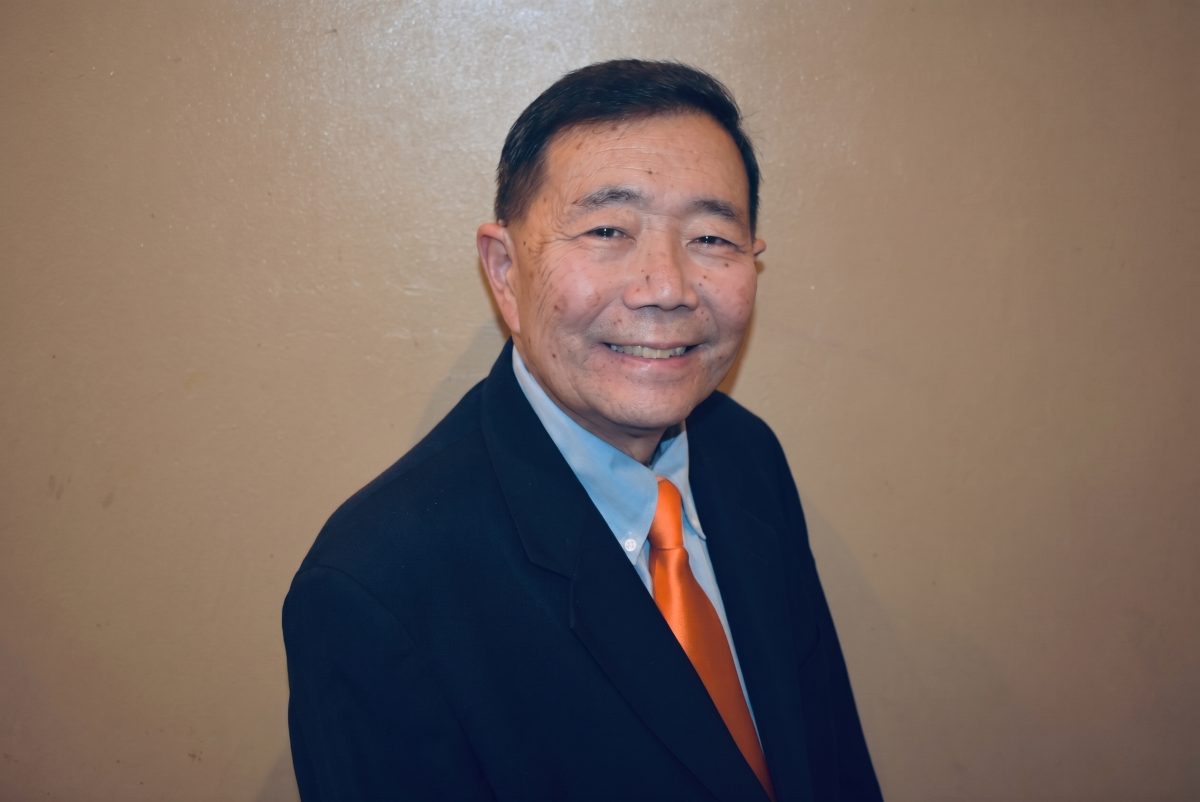
The Asian American Education Project has spent the last five years working on meeting that expectation. The organization was founded in 2021 by Stewart Kwoh and his wife, Patricia, after PBS approached them about a documentary on Asian Americans. The Kwohs had already written a book on untold civil rights stories and organized teachers to build lesson plans around it. PBS asked them to lead the curriculum for the series. The 38 lesson plans that came out of that work are hosted on PBS LearningMedia. Those lesson plans became the foundation of the project.
Today, the project has developed over 300 lesson plans. The organization’s model is built on training teachers, not just handing them materials. In 2025, the New York City Council included $2.5 million in the budget to advance Asian American and Pacific Islander (AAPI) studies in city schools, according to WNYC. The funding supports a partnership between the Asian American Education Project and the Localized History Project at the Asian American / Asian Research Institute at CUNY. The work is not just about writing curriculum. According to AsAmNews, the initiative includes dedicated support for teacher training and student-led storytelling.

The reason this matters is simple. According to Stewart Kwoh, the vast majority of teachers have no background in Asian American history. They were never trained in it. Even when they are given lesson plans, a single workshop is not enough to make them comfortable teaching a subject they do not know. Without that comfort, they are unlikely to use the material. The curriculum exists. The delivery does not.
The second problem is structural. Schools already have set curricula. A new mandate rarely creates a whole new course. It requires teachers to integrate Asian American history into the subjects they already teach. That is a different skill from simply handing someone a lesson plan. It requires professional development that shows teachers where the material fits, how to teach it, and why it matters. A math teacher graphing the rise in anti-Asian violence is teaching both math and history. A social studies teacher using a local story is teaching research and empathy. The training is what makes those connections possible.
That model matters because it treats teacher development as part of the curriculum, not an afterthought. It also recognizes that schools are decentralized. Even a good curriculum is optional in many districts. The only way to ensure it reaches students is to build champions inside the system, teachers and principals who will fight for it. The organization calls these people ambassadors. They are the ones who carry the curriculum into their own schools and districts after the training ends.
Stewart Kwoh describes the goal as developing those champions. The organization’s ambition is to reach one million students. It has already surpassed the initial target of training enough teachers to reach that number. But the work is not finished. The mandate is spreading. The training must spread with it.
The lesson for education policymakers is straightforward. Passing a law is the beginning, not the end. The funding for teacher training must match the ambition of the mandate. Without that, the curriculum becomes another document that nobody uses. The students who need it most are the ones who will be left behind.
The Asian American Education Project is very open to be contacted by cities, schools and districts for training and guidance on implementing Asian American History studies in their curriculum.
As part of the project, Stewart Kwoh is writing a book, due for release December 2026, on cross-racial solidarity that combines experiences of other racial groups.

