



Finding the right words after a death is not always easy, whether someone is experiencing the loss or trying to support a grieving person. Sometimes, being together through a simple activity can offer another way to show care. A walk, a shared moment of remembrance, or a familiar activity can create space for reflection without asking someone to explain everything they are feeling.
For Steven J. Cooper, this idea has become an important part of how he approaches loss. An aerospace manufacturing professional and founder of the 7773 Foundation, Cooper has found ways to combine basketball, endurance challenges and encounters with strangers to honor people who have died. Through his foundation, he brings charitable fundraising into his basketball journeys, connecting meaningful personal experiences with opportunities to serve others.
His approach began taking shape after the death of his grandmother, when walking became part of how he processed the loss. Following his mother’s death, he undertook a four-month journey across America while dribbling a basketball. These experiences helped shape his understanding of grief and the different ways people can respond to it. Rather than allowing sorrow to remain entirely inward, he found purpose in movement and in doing something for others.
“It’s hard to get the focus off yourself when the hurt and the pain are all within you,” Cooper says. He describes helping others as one way to redirect that pain toward something positive. For him, offering companionship and creating moments of happiness for others can exist alongside remembering those he has lost. He believes people can turn their grief 180 degrees into positive energy and sunshine. “With no words, just actions, such as passing the basketball, you can support and love those around you,” Cooper remarks.
His perspective reflects a broader understanding of the different ways people can navigate bereavement. The Substance Abuse and Mental Health Services Administration identifies physical activity, personal rituals, community connections and creative expression as possible ways of coping with grief. Its recommendations also recognize the role of counselling and professional mental health support. Cooper’s experiences offer a personal example of how shared activities can complement these broader approaches, rather than replace professional care.
One of the clearest expressions of his philosophy is what he calls the tribute shot. Cooper encourages people to shoot a basketball through a hoop in memory of someone they have lost, or to honor someone else’s loved one. The simplicity of the activity is central to its meaning. Participants have something they can do together, allowing remembrance to take place without the need for a formal speech or lengthy conversation.
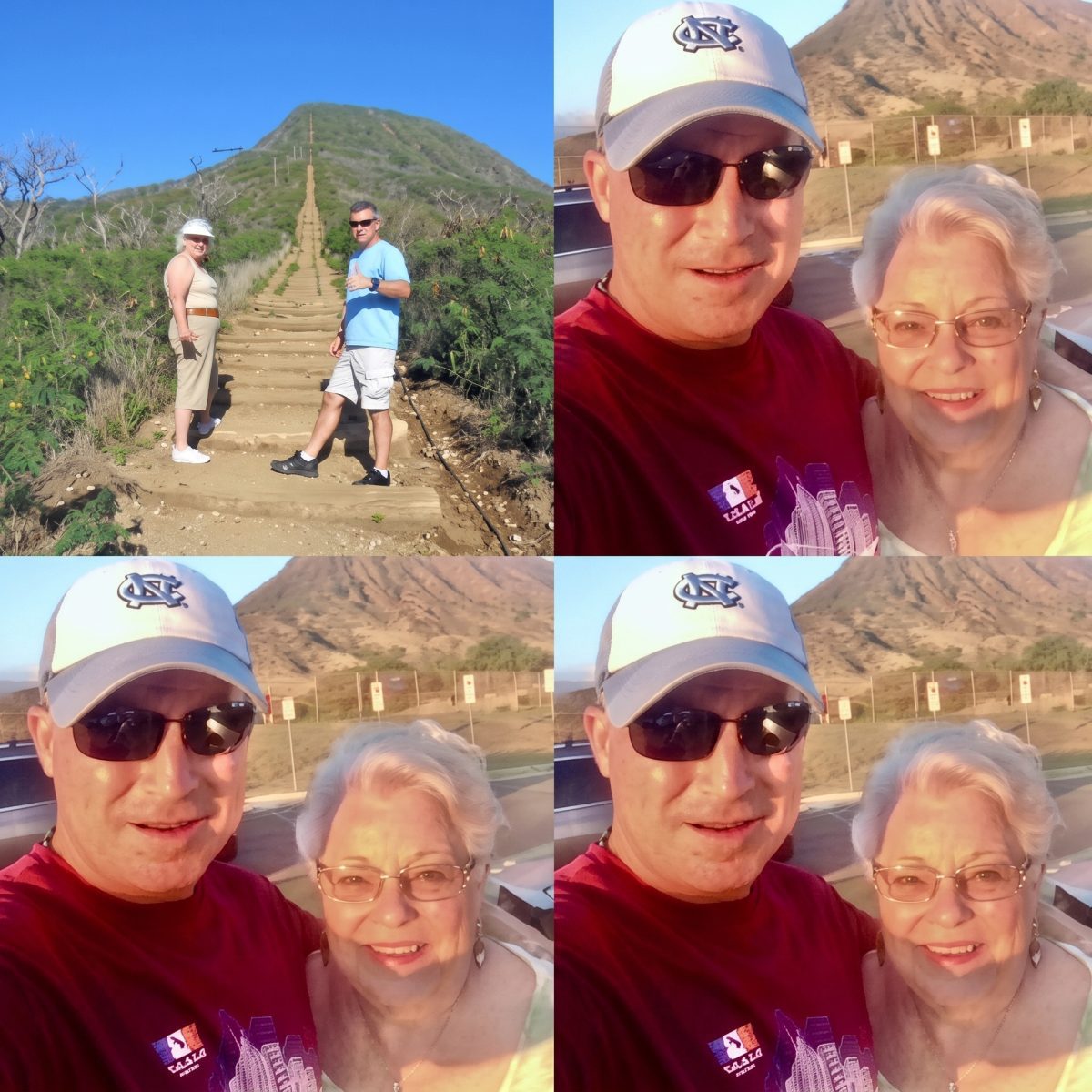
Among the locations that have made a particular impression on him is Hawaii’s Koko Crater Trail, also known as the Koko Head Trail. Cooper describes hiking up the volcanic crater while carrying a basketball backboard on his shoulders. Once at the summit, he invites others to take tribute shots in memory of people who have passed away. He also plans to return to Hawaii for another crater hike and to dribble a marathon during his upcoming visit.
Cooper recalls that children and adults at the summit sometimes become excited about demonstrating their basketball skills and tricks. He uses those moments to bring the focus back to the person being remembered. Rather than making the activity about performance, he encourages participants to complete a shot with someone special in mind. It gives a lighthearted interaction a more personal purpose.
There is also a connection between this approach and the NIH Clinical Center’s bereavement guidance, which recognizes that supporting someone through loss can mean listening, allowing silence and finding appropriate ways to remember the person who has died. The guidance acknowledges that people respond differently to bereavement, making individual needs and preferences important when offering support.
Cooper’s experiences and journeys are also reflected in his book, Love Always, which shares reflections on his life and travels in memory of loved ones. He has also been featured in The Champion’s Mindset. Across these experiences, one theme remains consistent: service. Cooper sees honoring those who have died and showing kindness to those still here as two connected ways of giving meaning to remembrance.
For families and community groups, his experiences offer an example of how remembrance can become part of everyday life. Going for a walk, taking part in a familiar activity or dedicating a small gesture to someone who has died can create opportunities for people to connect. There is no expectation that everyone will respond in the same way. As the NIH guidance suggests, respecting individual approaches to grief remains an important part of supporting others.
Although Cooper’s own experiences involve long-distance journeys and physically demanding challenges, the message behind them is straightforward. He sees ordinary actions as opportunities to remember people, build connections and show care for others.
“Through a simple act like passing someone a basketball, I hope to offer a moment of joy and connection,” Cooper says. “For me, honoring the people we have lost also means showing care for the people around us.”

