
Dental care presents greater cost barriers than any other major healthcare category, according to the ADA Health Policy Institute. In 2026, approximately 21% of American adults reported delaying or forgoing dental care because of cost, a higher proportion than for medical care, mental healthcare, or prescription medications, according to Medical Daily. But for patients facing expensive treatment plans, affordability is only one concern. Another is knowing whether every recommended procedure is necessary.
A patient presented with a treatment plan costing thousands of dollars may be advised to undergo multiple crowns, veneers, or root canals, sometimes with pressure to make a quick decision. The dentist has the clinical expertise; the patient must rely on that expertise to distinguish essential treatment from elective procedures or potentially less invasive alternatives. That imbalance can leave patients vulnerable to overtreatment.
Meanwhile, the business of dentistry is changing. Dentist ownership of private practices declined from 85% in 2005 to 73% in 2023, according to Becker’s Dental Review. Another Becker’s report identified at least 175 practice locations acquired by dental service organizations in the first half of 2026. While corporate ownership does not inherently compromise patient care, the growing influence of investors and production targets raises questions about how commercial pressures may affect treatment recommendations. For patients already struggling to evaluate complex dental advice, those questions make transparency and informed consent all the more important.
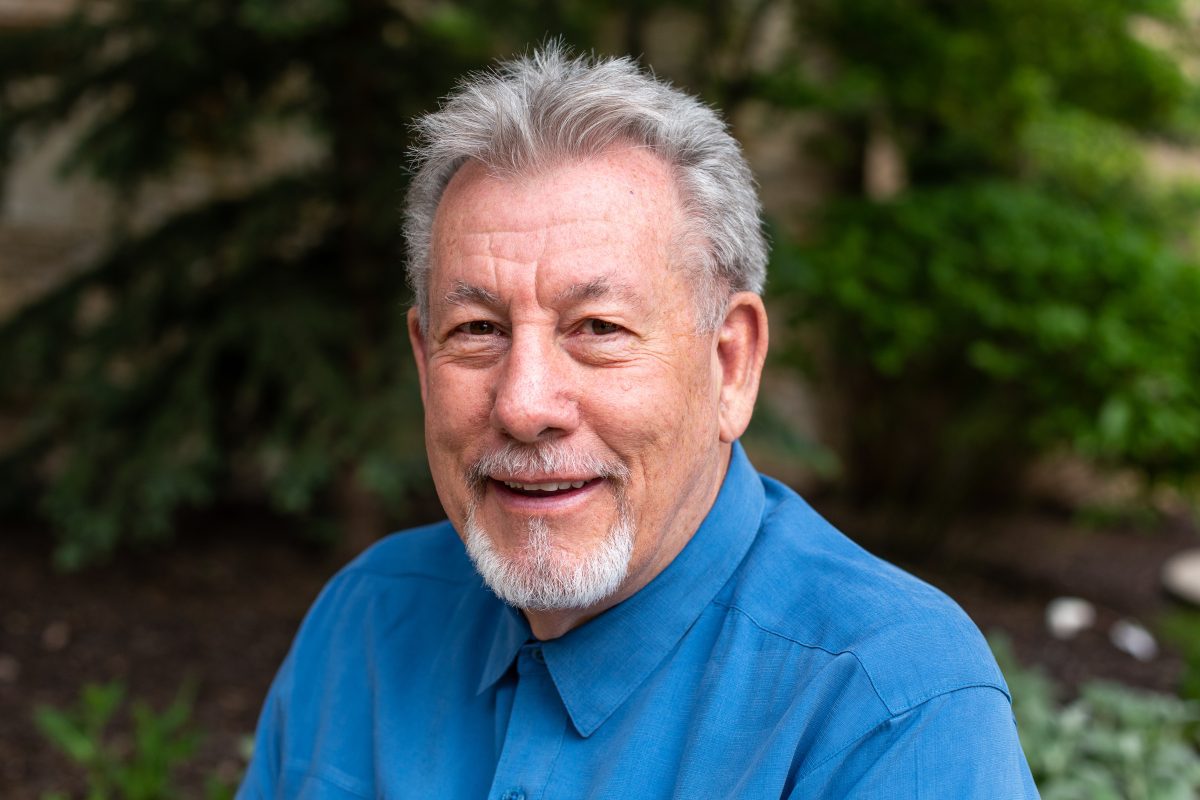
Dr. Michael Criddle brings approximately 45 years of clinical experience to this debate. A graduate of Northwestern University’s dental school, he spent four years teaching dentistry and previously owned Dental Pros of Utah. Now largely retired from clinical practice, he has turned his attention to patient education through Dental Care Compass, a website offering free dental guidance and paid independent consultations. His concern is that patients often lack the information needed to confidently evaluate treatment recommendations.
“If you feel like you’re being sold to, that’s a massive red flag,” Criddle says.
Central to his philosophy is the importance of preserving natural tooth structure. Criddle compares a tooth to an architectural arch, whose strength depends on its underlying structure. Removing healthy material to accommodate a full crown can weaken what remains, potentially increasing the risk of future complications. For that reason, he believes dentists should consider less invasive alternatives whenever clinically appropriate.
Advances in adhesive materials and restorative techniques have expanded the options for preserving natural teeth. Criddle points to pioneering research by Takao Fusayama at Tokyo Medical and Dental University and Raymond Bertolotti in the United States, whose work helped advance techniques for bonding restorative materials to natural teeth. Yet despite decades of progress, Criddle argues that these tooth-preserving approaches have not been consistently adopted across dental practices.
Criddle attributes this uneven adoption partly to established clinical habits, but he also believes financial considerations can influence treatment decisions. A bonded restoration might cost several hundred dollars, while a root canal, buildup, and crown can run into the thousands. Although these procedures address different clinical needs, he argues that financial incentives can complicate treatment recommendations, particularly when patients are unaware of their options.
He recalls a patient who arrived with a treatment plan recommending 18 veneers and an additional crown, potentially costing tens of thousands of dollars. After examining him, Criddle identified opportunities to preserve more natural tooth structure, including composite bonding on several lower teeth at approximately $300 per tooth. For Criddle, the case illustrates why patients should understand their treatment options before committing to extensive procedures, particularly when less invasive alternatives may offer a different balance of cost, preservation, and long-term outcomes.
“The best dentistry is often no dentistry,” Criddle says. His message is not to avoid necessary care, but to encourage patients to understand their options before committing to irreversible procedures. An independent second opinion can help patients evaluate their diagnosis, explore alternatives, and determine whether extensive treatment is warranted.
There are practical warning signs. Pressure to make an immediate decision, aggressive financing offers, or an unexpectedly extensive treatment plan after years of routine dental care should prompt further questions. None necessarily indicates inappropriate treatment, but patients should feel comfortable asking what is urgent, what can wait, and whether less invasive options are available.
For Criddle, the guiding principle is straightforward: dentists should recommend the same care they would want for their own children. That means prioritizing long-term dental health over the number or cost of procedures performed.
Ultimately, patients should feel confident that the treatment they receive is necessary, appropriate, and in their long-term interests. That confidence comes from understanding their options, asking questions, and knowing when to seek another opinion.