



The path to homeownership can become uncertain well before construction even starts. Families must locate land they can legally purchase, establish clear ownership, and find financing they can realistically manage. In Mexico, an October 2026 warning from the Secretariat of Security and Citizen Protection highlighted property scams involving forged documents, fraudulent sellers, and developments that lack the required permits. These risks bring an important housing question into focus: How can families build a future when the purchase itself provides so little security?
The warning advises buyers to verify ownership records, permits, and the authenticity of deeds before sending any money. These precautions highlight a distinction that is sometimes overlooked in housing discussions. Being presented with a property for sale is one thing; securing a legally protected place to live is another, and both stages require safeguards.
Financing creates another challenge. The International Labour Organization reported that informal employment represented 46.7% of employment across Latin America and the Caribbean during the first half of 2025. While that figure relates to employment conditions rather than the proportion of people paid in cash, it illustrates the scale of work taking place outside formal employment arrangements.
An Inter-American Development Bank evaluation identifies informal and fluctuating earnings, challenges in verifying income, and the absence of property titles as barriers to housing credit for lower-income households. Together, these findings suggest that expanding housing supply also requires attention to the systems that connect employment, property ownership, and borrowing. Having an income does not always mean a household can document that income in the form a lender requires.
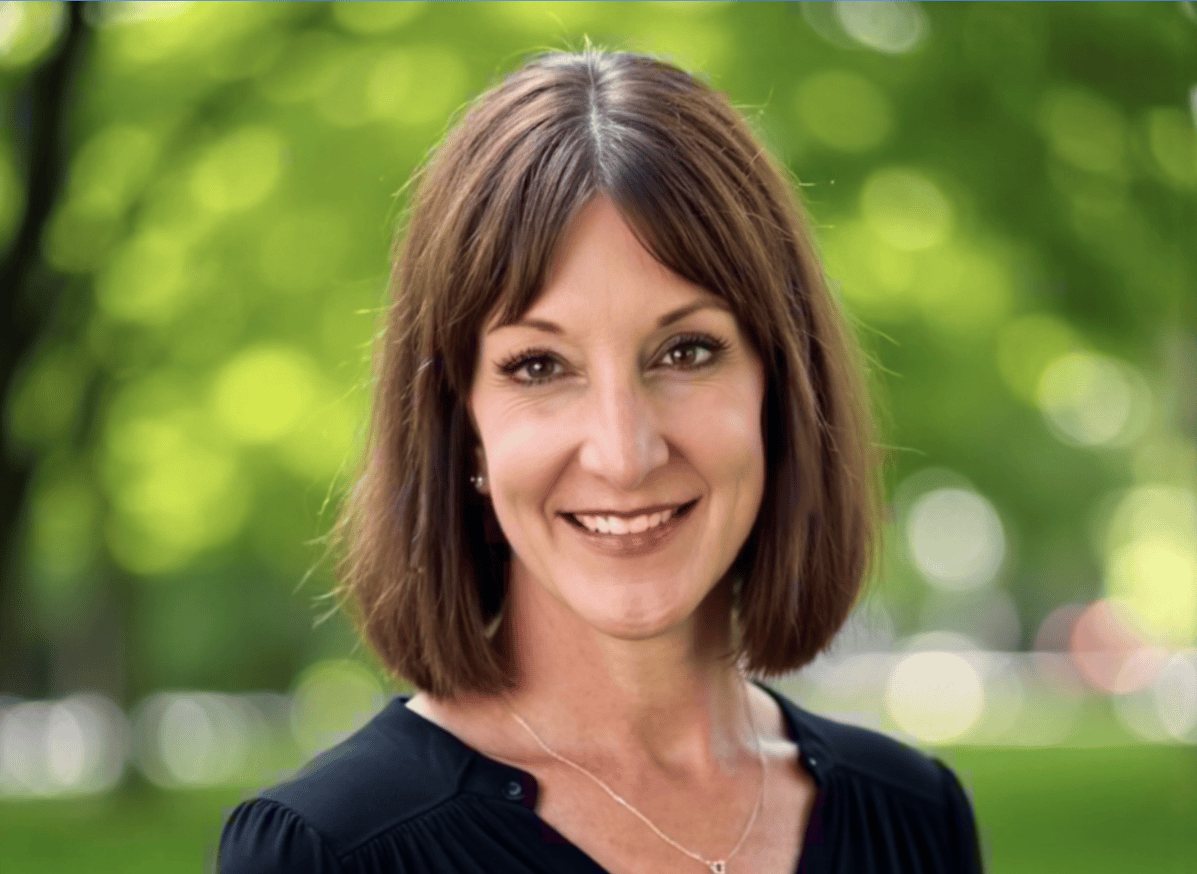
Catherine Colyer, the newly appointed president and CEO of New Story, a nonprofit focused on land and housing access, sees these challenges as interconnected. Based on her work with families in Mexico, she argues that a practical path to homeownership begins with legally secure land, essential infrastructure, and financing that reflects the circumstances of individual households.
“The problem is a shortage of developed land and a lack of access to financing,” Colyer says. She recalls meeting families who had previously lost their savings after trying to purchase property from people who did not have legitimate ownership. In her experience, those situations can make families hesitant to trust future opportunities, even when proper documentation is provided.
For Colyer, preparing land involves more than simply establishing ownership. New Story works with developers to prepare well-located lots equipped with water, sanitation, electricity, and roads, allowing each payment a family makes to represent a genuine step toward ownership. She considers clear title and functional infrastructure to be the foundation families need before beginning construction, rather than expecting households to overcome every obstacle on their own.
Her perspective is also shaped by her earlier work at WaterEquity. Colyer sees similarities between expanding access to water financing and creating pathways to housing, particularly through the combination of investment and philanthropic funding. “You can reach so many more people if you have more capital to deploy,” she says.
Colyer continues to see value in philanthropy while questioning how far a model relying entirely on donations can ultimately scale. She explains that New Story has moved beyond its earlier approach of raising funds to build and donate homes, instead looking for ways to address the barriers that keep working families from becoming homeowners.
She points to one project where financial institutions took part in discussions about why families with titled land were still unable to secure construction financing. According to Colyer, that collaboration resulted in one institution creating a financing product, with participating families beginning to sign agreements. She describes the effort as an early example of how lending can be adjusted to reach working families who have traditionally been left out.
Her longer-term goal is for these relationships to continue without the nonprofit needing to remain involved. “Our hope is we won’t be needed in the long term,” Colyer says. She sees lasting progress in helping lenders learn how to serve households they have historically struggled to reach.
For Colyer, the importance of secure housing is also reflected in everyday family choices. She recalls a mother preparing the land to grow corn beside the walls of her home under construction, looking ahead to the day her family could leave their rental and move into their own house. Colyer believes secure ownership can give families greater freedom to plan, improve their homes, and think about what they may eventually leave to their children.
For policymakers, lenders, and housing organizations, her perspective points to a practical place to begin: identify where families lose access between earning an income and securing a home, then work together to make each stage more reliable. The goal is to ensure that every step from land ownership to financing to construction moves families closer to a secure and lasting home.