



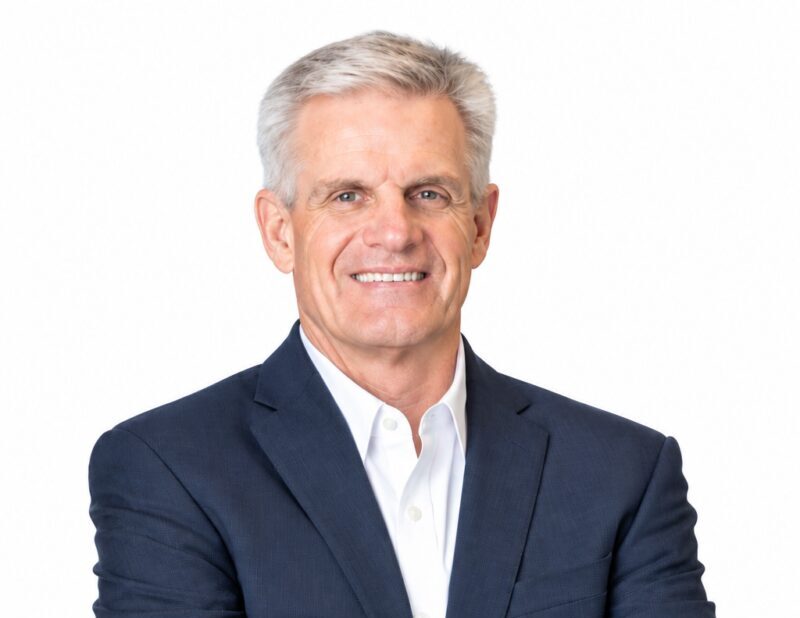
Through Flourish First, entrepreneur and leadership mentor W. Keith Denning challenges a familiar assumption in personal development: that knowing what to do means we will do it when circumstances become difficult. His work focuses on the human capacities that shape responses under pressure, strengthen relationships and influence leadership.
Success is often measured by careers built, goals reached and businesses grown. Yet achievement cannot answer every personal question: Am I showing up in my life, relationships and leadership the way I want to? People often know how to respond before difficulty arrives. A leader should listen rather than become defensive; a parent knows shouting will not improve a conversation; a spouse knows pausing is better than reacting in anger. Yet when pressure rises, people can still respond in ways that do not reflect what they know, value, or intend.
For Denning, founder of Flourish First, this gap between knowing and doing is central to human development. “Most people think that if they know what to do, they’ll do it,” he says. “But knowing what to do and being able to live it when the moment becomes difficult are not always the same thing.”
Denning’s perspective reflects decades of entrepreneurship, leadership, coaching and mentoring, including start-ups and senior roles in multinational organizations. Professional success brings influence and achievement, but also uncertainty, competing expectations and relationships that test judgment. Those experiences led Denning to focus less on what people know and more on what shapes their responses when authority feels challenged, expectations are disappointed or relationships feel threatened. His framework follows a simple progression: Reaction → Awareness → Choice. Reactions can be shaped by emotions, assumptions and past experiences. The goal is not perfection or the elimination of emotion, but developing a greater capacity to respond intentionally.
Denning often says, “Awareness creates space.” Recognizing defensiveness, fear or frustration can create an opportunity to choose a response instead of automatically following an initial reaction. Awareness does not guarantee a different response; it creates greater opportunity to choose one. This approach asks people to look beyond visible behavior and consider the needs, fears and assumptions underneath it. When individuals can name what is happening internally, they may be better equipped to communicate clearly, repair misunderstandings and respond in ways more aligned with who they are and how they want to show up. The aim is not to remove tension from life, but to meet it with greater clarity and responsibility.
Flourish First centers on four interconnected capacities that together form The Flourishing Way. Awareness – Notice, Know, See – helps people recognize what is happening within them and around them and understand what may be shaping their response. Self-Competence – Stand, Adapt, Endure – develops the ability to remain grounded in who they are and what matters, adjust as circumstances change and continue through difficulty without losing direction. Connection – Engage, Trust, Belong – focuses on how people build trust and create meaningful relationships, while Purpose – Discern, Serve, Lead – centers on recognizing what matters, contributing meaningfully and using influence to strengthen others.
As artificial intelligence makes information and advice increasingly accessible, Denning’s distinction between knowing and doing becomes more significant. AI can offer frameworks for employee conversations, family conflict or complex decisions. But advice alone cannot ensure people will apply it when pressure rises, emotions intensify or relationships become difficult. AI can suggest communication techniques, but people still need the awareness to recognize what is shaping their reactions, create space and decide how they want to respond. Denning believes technological progress makes these human capacities more important, not less. Organizations invest in communication and coaching, yet even a well-trained leader may become defensive when challenged. Leadership also means building trust, creating a healthy environment and helping colleagues become more capable of taking responsibility.
Despite Denning’s organizational background, Flourish First also addresses challenges in marriages, parenting, friendships and communities. At home, a parent may interrupt out of concern for a teenager, a couple may repeat familiar patterns, or someone may struggle to set a boundary for fear of disappointing others. These situations show how self-awareness influences listening, communication and trust.
Flourish First applies its philosophy through coaching, workshops, organizational consulting and the Unlock™ journey. Unlock™ is designed as a three-level developmental journey: Flourishing Self, Connection & Belonging, and Responsibility & Leadership. The first develops identity, values, emotional awareness and boundaries. The second emphasizes listening, trust, conflict and relationship repair. The third applies these capacities to accountability, service and helping others grow. This progression reflects Denning’s belief that leadership begins with how people relate to themselves, develops through relationships and becomes visible in how they use influence.
For Denning, flourishing is not a quick transformation or an effort to fix people. It is a journey in which awareness grows, relationships deepen and purpose becomes clearer. Achievement and results remain important, but they do not tell the whole story. Equally significant is how people treat others while pursuing their goals and who they become along the way. Awareness can bring presence to relationships; Self-Competence can steady a team; trust can strengthen belonging; and purpose can direct influence toward service. Denning invites people to measure success not only by how far they go, but by who they become and how they affect others. When information is abundant, knowing what to do matters. Learning to live what we know, especially when circumstances become difficult, is where flourishing begins.

