



Family enterprises remain important in agriculture, yet continuity cannot be assumed. The U.S. Department of Agriculture reported in 2024 that family-owned and operated farms represented 95% of U.S. farms and operated 84% of farmland. These figures place succession among the responsibilities facing agricultural families.
Plans matter, but leadership transitions involve more than naming the next owner. PwC’s 2025 U.S. Family Business Survey found that succession planning had affected 44% of respondents, while 94% considered reputation important. Ownership can pass through documents. Reputation, confidence, and loyalty must be sustained through behavior.
Communication can determine whether that continuity survives. Deloitte’s 2024 Family Enterprise Survey, involving 500 current and next-generation members of U.S. family enterprises, identified communication differences between generations. A transition needs room for listening, disagreement, and shared purpose alongside decisions about property and control.
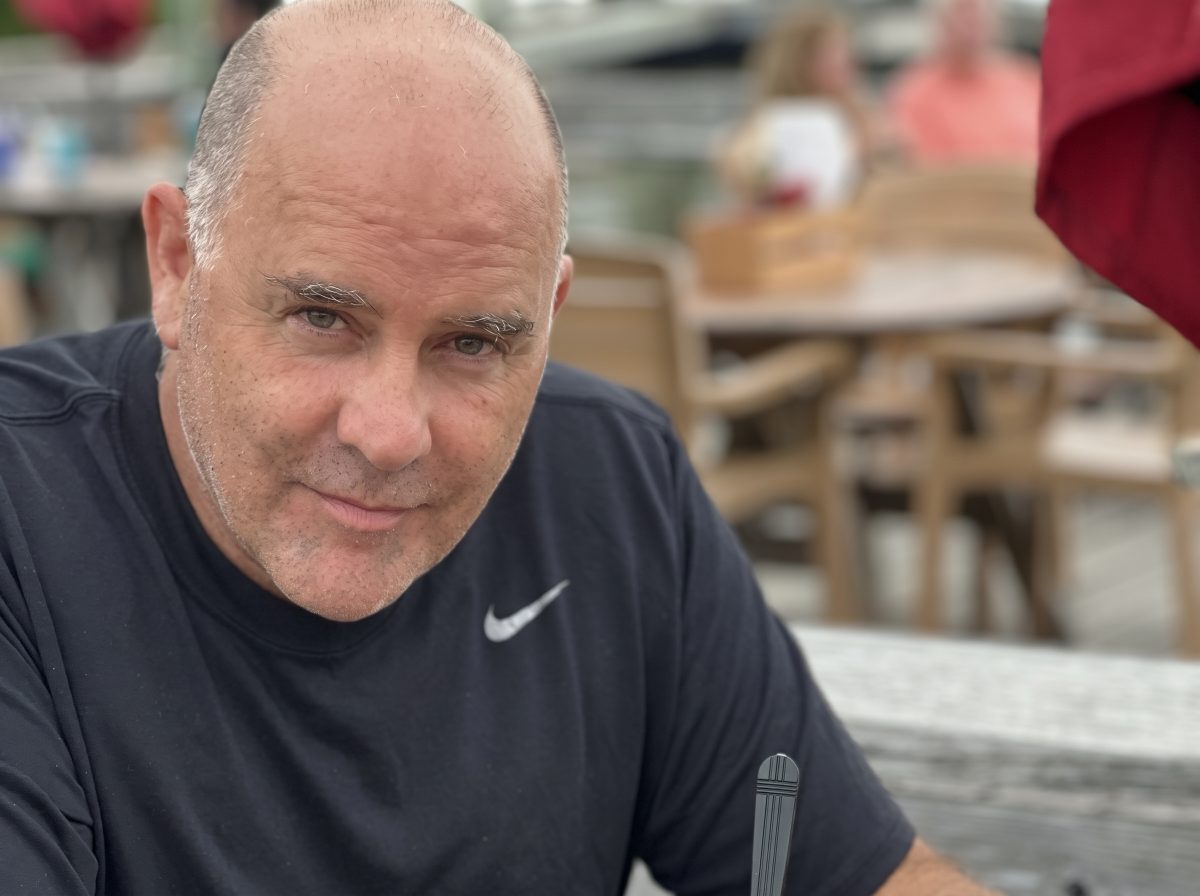
Sur John Schartner considers those issues through Schartner Farms, founded in Exeter, Rhode Island, in 1902. The business has grown produce and operated a farm stand, nursery, and greenhouse. Its latest offering is Gramma’s Gold, a green tomato relish based on a 60-year-old recipe and available statewide. Schartner describes it as an expression of goodwill passed between generations.
The family is considering its future following a fire that destroyed the farm stand and changes in leadership as Schartner’s parents have grown older. He distinguishes among three forms of power, and the responses each tends to produce.
Legitimate power comes from a position and may produce compliance or resistance. Coercive power relies on pressure and, in Schartner’s view, is more likely to create resistance and should be avoided where possible. What he calls reverent power grows from example and earns commitment. He believes compliance may be a first step, but authority alone cannot create the loyalty required to carry a family enterprise forward.
“People may follow instructions because someone holds a title,” Schartner explains. “Commitment develops when they believe the leader cares about them, accepts sacrifice and makes the work about something larger than authority.”
Schartner regards reverent power as innate and difficult to learn. He believes his grandparents, John and Mary, possessed it, while his father became effective at legitimate power. Their approaches are captured in memory. His grandparents waited until everyone else had eaten before serving themselves; his father ate first. For Schartner, the contrast illustrates whether leadership begins with oneself or with others.
He describes his grandparents as the glue that held the farm together. Their relationships with employees, customers, and neighbors helped maintain goodwill even when other leadership styles created friction. When Schartner’s grandmother worked as a nurse, patients visited the farm looking for her. Their loyalty extended beyond a transaction because the relationship had become part of their connection.
Differences in leadership philosophy shaped a 40-year disagreement between Schartner and his father. Schartner recalls his father believing that 65% effort could produce a result between 79% and 82%, which he considered sufficient. Schartner approached the operation with a different standard and pursued the strongest result. Those expectations influenced how each viewed the retail business, employees, and customers.
Reverent power can develop legitimacy of its own, Schartner observes, and that legitimacy can encounter resistance. He believes his success in earning commitment from employees and customers sometimes intensified disagreements with his father. The experience taught him that succession conflicts may concern more than who holds authority. They can emerge when relatives disagree over which leadership approaches people support.
Schartner believes commitment becomes visible through sacrifice. “At 54, after working since I was four years old, I expected the journey to be difficult,” he says. “What I did not anticipate were the power struggles and what I call the double E’s, ego and envy. Staying the course means keeping those challenges from becoming greater than your purpose. Commitment is only as strong as the sacrifices you make.”
That philosophy shapes his interest in direct-to-consumer agriculture. USDA found that 116,617 farms sold directly to consumers in 2022, generating $3.3 billion, a 16% increase from 2017. Schartner sees this model as a way to retain value while rebuilding the relationships surrounding what a farm produces. It requires leaders with “big ears” and a genuine interest in what employees and customers value.
The decisions ahead include whether to restore the farm’s standing, preserve the property known as the East Gate, make history by pursuing both goals, or allow events to take their course. Schartner accepts that “life is not always fair” and “it is what it is,” but he does not view acceptance as passivity.
“We have an opportunity to right some wrongs, preserve our rural integrity and create something people can be proud of,” he says. “A succession plan can transfer property and responsibility, but it cannot transfer trust. Our task is to earn that trust again, make the magic and recreate the goodwill that once brought generations together.”

