



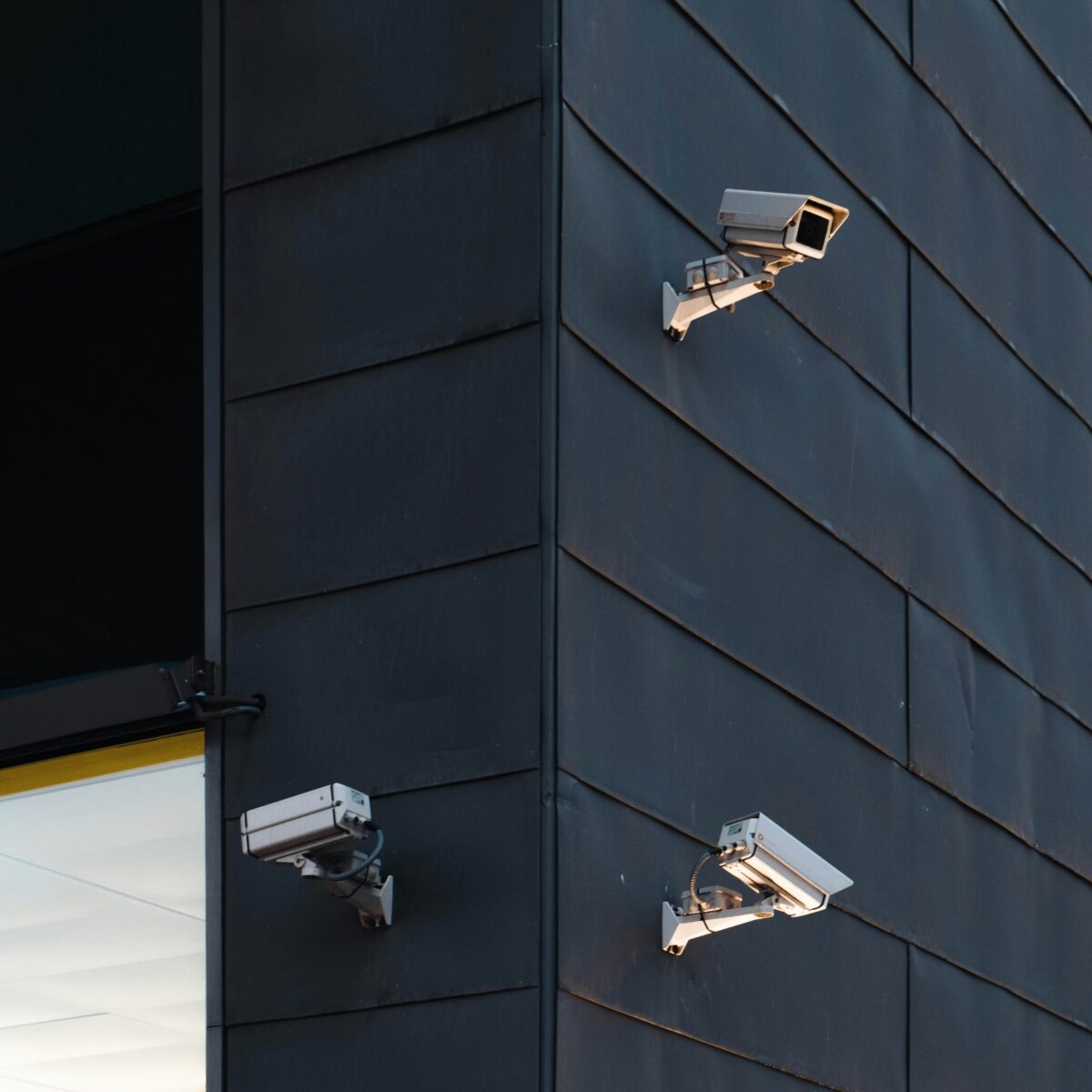
Security is often treated as a facilities issue: something to address when a company moves offices, adds a building, or replaces an aging camera system. For growing businesses, that approach can create unnecessary costs and operational limitations.
Commercial security is more effective when it is considered alongside the infrastructure decisions that support the business itself. Networking, communications, building systems, structured cabling, physical access, and facility monitoring increasingly depend on shared infrastructure and coordinated planning. When security is added after those decisions have already been made, organizations may end up with systems that are difficult to manage, expensive to maintain, or poorly suited to future growth.
For executives and property leaders in Toronto and the Greater Toronto Area, the issue is not simply whether a building has cameras or controlled doors. The more important question is whether the security infrastructure supports how the organization operates today and how it expects to operate tomorrow.
Security Planning Should Start With the Infrastructure Strategy
Infrastructure planning is ultimately about enabling business continuity, efficiency, and growth. A company may plan its network capacity, communications systems, office layout, electrical requirements, and technology environment years before a major expansion.
Security should be part of that conversation from the beginning.
Consider a business preparing to occupy several floors of a commercial property. Decisions about where employees work, how visitors enter, which areas require restricted access, where network equipment is located, and how facilities staff monitor the building all have security implications.
When these decisions are made separately, the organization may later discover that access control devices are difficult to deploy, video coverage is inconsistent, cabling routes are inadequate, or different building systems cannot work together effectively.
Planning security at the same time as broader infrastructure allows leadership teams to think about the entire operating environment rather than individual devices.
Access Control Is an Operational System, Not Just a Door Lock
Physical access is one of the clearest examples of why security belongs in infrastructure planning.
Traditional keys can become difficult to manage as organizations add employees, contractors, departments, floors, and locations. A modern access control strategy can provide a more structured way to manage who can enter specific areas and when.
For growing companies, commercial access control can support credential management across offices, facilities, and restricted spaces without requiring every access decision to be handled manually.
The business question is not simply which credential technology to use. Leadership teams should consider how access will be administered, how employee changes will be handled, who needs access to specific areas, and what happens when a company expands.
Cloud-managed access control can be particularly useful where organizations need centralized oversight. Rather than relying on isolated systems at individual doors, management can become part of a broader operational process.
For a company with multiple floors or locations, this can reduce administrative complexity and create a more consistent approach to physical security.
Multi-Door and Multi-Floor Properties Require Scalable Thinking
A security solution that works for a small office may not work well after a business adds another floor or relocates into a larger commercial property.
This is why scalability should be evaluated before systems are selected.
Executives should think beyond the initial number of doors. They should consider future departments, new tenants, changing access zones, temporary credentials, contractors, and additional facilities.
The same principle applies to commercial properties with multiple controlled areas. If each door or floor operates independently, administrative work increases and visibility becomes fragmented. A more coordinated architecture can make it easier for authorized personnel to manage access across the property.
Infrastructure planning should therefore account for expansion capacity from the start. That can include physical pathways, cabling, network requirements, equipment locations, and system architecture.
A slightly more thoughtful infrastructure decision at the beginning can be far less disruptive than rebuilding the environment after the business has already grown.
Video Surveillance Should Support Business Visibility
Commercial video surveillance is another area where the infrastructure perspective matters.
Cameras are often discussed in terms of image quality, but business leaders should also consider where coverage is needed, how footage will be managed, how long systems are expected to remain useful, and how surveillance fits into day-to-day facility operations.
For example, a commercial property may need visibility around entrances, loading areas, parking access, reception spaces, equipment rooms, or other operationally important areas.
The goal is not to place cameras everywhere. It is to develop a practical monitoring strategy based on how the facility is used.
Video surveillance can also complement other security processes. When access events and visual monitoring are part of a coordinated environment, facility teams can have a clearer understanding of what is happening in and around the property.
That broader visibility can support loss prevention, incident review, and general facility awareness without turning the security system into an isolated technology project.
Modern Intercom Systems Matter in Multi-Tenant Environments
Commercial intercom systems are another example of infrastructure that is often overlooked until an existing solution becomes difficult to maintain.
In multi-tenant buildings, visitor entry can involve reception staff, tenants, property managers, delivery personnel, and service providers. An outdated intercom system may create unnecessary friction, particularly when organizations need to manage multiple entrances or accommodate changing tenant requirements.
Modernizing intercom infrastructure can make visitor communication and entry management more practical while also creating a better foundation for future upgrades.
The important consideration for property leaders is how the intercom system fits into the wider access and communications environment. Rather than replacing one standalone device with another, the better approach is to consider how entry management works across the entire building.
Visitor Management Is Part of the Operational Picture
Security infrastructure should also account for people who are not permanent employees.
Visitors, contractors, vendors, maintenance teams, and temporary staff can all require access to commercial facilities. Without a defined process, organizations may rely on informal procedures that vary by building, department, or shift.
A well-planned visitor management approach can help businesses create clearer rules around temporary access while reducing unnecessary administrative effort.
This does not mean every organization needs a highly complex visitor platform. It means leadership should decide what level of control and visibility makes sense for the way the property operates.
The underlying principle is simple: security infrastructure should reflect real operational workflows.
Structured Cabling Is Part of the Security Foundation
Security systems increasingly depend on network connectivity and reliable physical infrastructure. That makes structured low-voltage cabling an important part of the planning process.
Access control devices, cameras, intercom systems, and related equipment all depend on appropriate cabling, connectivity, and equipment placement. Installing these systems without considering the underlying infrastructure can lead to difficult maintenance, limited expansion options, and costly modifications later.
This is especially relevant during office construction, renovation, relocation, or major technology upgrades.
When low-voltage requirements are planned together with other building infrastructure, businesses can create cleaner installation pathways and make future changes easier to accommodate.
For executives, this is less about the technical details of cable installation and more about lifecycle planning. Infrastructure should make tomorrow’s upgrades easier, not harder.
Integration Can Reduce Fragmentation
One of the most common challenges in commercial environments is fragmentation.
A business may have one system for access, another for video, a separate intercom platform, and a different process for visitor management. Each system may perform its individual function, but the combined environment can be harder to administer.
Fragmentation can also make responsibility unclear. Facilities teams, IT staff, security personnel, and property managers may all interact with different parts of the infrastructure.
A more integrated approach can create a clearer operational model.
Integration does not necessarily mean placing every function into one platform. It means designing the environment so that the different security and building systems are considered together, with clear ownership, connectivity, and management processes.
That can become increasingly important as properties become more connected and businesses operate across multiple locations.
Budgeting Should Include the Full Lifecycle
Security investments should not be evaluated only by installation cost.
A lower initial price may become expensive if the system is difficult to maintain, cannot scale, requires frequent replacement, or creates administrative overhead.
Executives should consider the total lifecycle of the infrastructure, including installation, maintenance, system upgrades, expansion, support, replacement cycles, and the operational time required to manage it.
This does not mean choosing the most expensive solution. It means evaluating the system based on the business environment it is expected to serve.
For example, a growing company may benefit from infrastructure that can accommodate additional doors, cameras, or locations without requiring a complete redesign. A property manager may place greater value on centralized administration and dependable maintenance.
The right investment is therefore shaped by operational priorities, not by a technology checklist.
How Leadership Teams Should Evaluate Security Infrastructure
The most useful security planning conversations begin with business requirements.
Leadership teams should ask where physical access creates operational risk, which areas require different levels of control, how the organization expects to grow, and which systems need to remain available during routine changes or disruptions.
They should also examine the practical experience of the people who manage the facility every day. A technically capable system can still become a poor business investment if it is complicated to administer or does not match established workflows.
In Toronto and across the Greater Toronto Area, organizations also operate in a wide range of commercial environments, from conventional offices to larger multi-tenant and mixed-use properties. That variety makes a one-size-fits-all approach difficult to justify.
The strongest infrastructure decisions are the ones tied directly to the organization’s operating model.
Security Infrastructure Should Be Designed for the Business Ahead
Commercial security should not be viewed as a collection of devices added to a building after the important infrastructure decisions have already been made.
Access control, surveillance, intercoms, visitor management, cabling, and related systems all form part of the physical environment in which a business operates. They influence how people enter facilities, how properties are monitored, how teams respond to changing requirements, and how easily the organization can expand.
Businesses that plan security alongside their broader infrastructure are better positioned to avoid fragmented systems and expensive redesigns later.
The objective is not simply to make a building more secure. It is to build an infrastructure environment that supports reliable operations, sensible long-term investment, and the realities of business growth. For executive teams, that makes commercial security an infrastructure decision worthy of the same planning attention as the network, communications, and building systems that keep the organization running.