



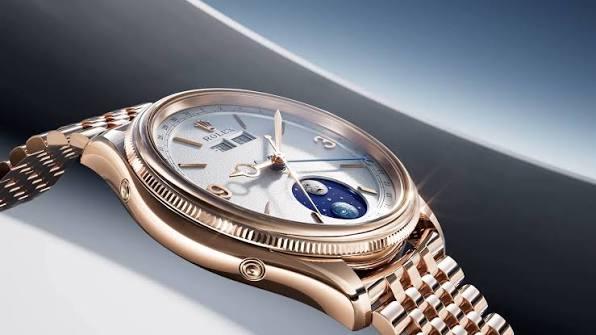
Super clone watches have become a widely discussed topic among people researching luxury watch designs, mechanical movements, materials, and replica watch quality. These watches are marketed as more detailed alternatives to ordinary replicas, with claims of improved construction, closer design similarities, and more sophisticated movement functions.
However, the term super clone watch does not represent an official industry certification. The actual quality of a watch depends on its materials, movement, assembly, finishing, accuracy, and long-term reliability—not simply the name used to advertise it.
So, what makes a super clone watch different from other replica watches? Are the differences noticeable? Do more expensive replicas necessarily offer better quality? And what should buyers understand about materials, movements, and manufacturing standards?
In this comprehensive guide, we examine the key differences between super clone watches and standard replica watches, explain the technical features that matter, and explore how to evaluate watch quality using verifiable information.
What Is a Super Clone Watch?
A super clone watch is a replica marketed as a particularly detailed imitation of a luxury watch. Depending on the model, it may attempt to reproduce the original watch’s case proportions, dial design, bracelet, bezel, crystal, and mechanical functions.
The term is frequently used in online marketplaces discussing replicas of recognizable luxury watch brands. Sellers commonly associate it with closer visual similarities, upgraded materials, and movements that reproduce some of the functions or layouts of the original design.
Nevertheless, there is no universally accepted definition of a super clone watch. One seller may use the term to describe a watch with improved external finishing, while another may use it to advertise a more complex movement. These descriptions are not necessarily supported by independent testing.
A super clone label should therefore be treated as a marketing description rather than proof of superior manufacturing.
What Does the Term Super Clone Actually Mean?
The word super suggests a higher level of similarity or construction, while clone refers to an imitation of an existing product or design.
In the watch market, the expression usually describes a replica intended to reproduce more details of a luxury watch than a basic imitation. These details can include:
Case dimensions and overall proportions
Dial layout, markers, and hand design
Bracelet construction and clasp appearance
Bezel design and engraved markings
Movement functions and visible mechanical layout
Finishing of the case, bracelet, and individual components
The extent to which a particular watch achieves these features varies. There is no standardized grading system that guarantees every watch advertised as a super clone meets the same specifications.
Super Clone Watches vs. Standard Replica Watches: Main Differences
The biggest differences usually concern design accuracy, component selection, movement complexity, manufacturing consistency, and quality control.
Feature | Super Clone Watches | Standard Replica Watches |
Design similarity | Marketed as more closely matching a reference model | May have more noticeable design differences |
Case construction | May feature more carefully reproduced proportions | Construction and dimensions vary |
Dial finishing | May have more consistent printing and marker placement | Printing and alignment can be less consistent |
Materials | May advertise higher-grade steel or sapphire crystal | Material specifications vary |
Movement | May reproduce more functions or a similar mechanical layout | May use a simpler or different movement |
Accuracy | Depends on the actual movement and regulation | Depends on the actual movement and regulation |
Quality control | May be marketed with additional inspection | Inspection standards vary |
Repairability | Depends on movement availability and technical support | Depends on movement availability and technical support |
Price | Usually positioned at a higher price point | Often marketed at a lower price point |
These are general descriptions of how the categories are marketed, not guaranteed differences between every watch. A well-made watch with transparent specifications can offer better practical reliability than a more expensive model advertised with unsupported quality claims.
1. Materials and Construction Quality
Materials are among the first things to examine when evaluating a watch. The case, bracelet, bezel, crystal, crown, and clasp all influence the watch’s appearance, comfort, and durability.
Higher-priced replica watches may advertise improved materials or more carefully finished components. However, the materials must be verified rather than assumed from the product name or price.
Stainless Steel: 316L vs. 904L
316L and 904L are stainless steel grades used in different applications, including watchmaking.
316L stainless steel is widely used for watch cases and bracelets because it offers good corrosion resistance and is suitable for everyday wear. 904L stainless steel contains higher amounts of certain alloying elements and is associated with some luxury watch manufacturers.
Neither material automatically guarantees superior overall watch quality. Manufacturing precision, surface finishing, bracelet construction, and corrosion resistance under actual conditions also matter.
When a listing claims to use a specific steel grade, look for credible documentation. Appearance, weight, or a seller’s description alone cannot reliably establish the exact alloy.
Sapphire Crystal vs. Mineral Glass
Crystal material is another important difference between watch models.
Sapphire crystal is highly scratch-resistant compared with ordinary mineral glass, making it desirable for watches intended for regular use. However, sapphire can still chip or crack following a sufficiently hard impact.
Mineral glass is commonly used in more affordable watches and may be more susceptible to scratches. Acrylic crystal is another option, particularly in certain traditional watch designs.
A replica advertised with sapphire crystal should not automatically be considered high quality. The crystal’s fit, clarity, reflections, finishing, and resistance to everyday wear also affect the overall experience.
Case Finishing and Bracelet Construction
Case finishing involves shaping and treating the metal surfaces to create brushed, polished, or combined finishes. These details can strongly influence the visual quality of a watch.
When inspecting a watch, consider:
Whether brushed surfaces have a consistent texture
Whether polished areas appear smooth and even
Whether the edges and transitions look clean
Whether bracelet links move without excessive looseness
Whether the clasp closes securely and operates smoothly
Whether the case dimensions match the published specifications
A heavier bracelet does not automatically indicate better construction. The quality of the metal, the accuracy of the manufacturing, and the durability of the moving parts are more meaningful than weight alone.
2. Movement Quality: One of the Most Important Differences
A watch movement is the mechanism responsible for timekeeping and, depending on the design, additional functions such as a date display, chronograph, or GMT complication.
Movement quality can significantly affect accuracy, reliability, maintenance requirements, and the cost of future repairs.
What Is a Clone Movement?
In replica-watch discussions, a clone movement generally refers to a mechanism designed to resemble the layout or functions of a movement used in a particular luxury watch.
Some movements imitate the appearance and operating functions of their reference mechanisms. Others use a different architecture while producing a similar visible result.
These distinctions matter because two movements can look similar without sharing the same engineering, manufacturing tolerances, durability, or service requirements.
A movement’s actual specifications are more useful than the label attached to it.
Automatic vs. Quartz Movements
Automatic watches use a mechanical movement that can wind itself through the movement of the wearer’s wrist. Depending on the design, they may also be wound manually through the crown.
Quartz watches use an electronic oscillator regulated by a quartz crystal. They are generally accurate, require less routine attention to timekeeping, and often have lower maintenance costs.
Neither type is inherently better for every buyer. Automatic movements appeal to people who appreciate mechanical watchmaking, while quartz movements are practical for those who prioritize convenience and consistent timekeeping.
A replica containing an automatic movement does not necessarily have better construction or reliability than a replica using quartz.
How Accurate Are Super Clone Watches?
Accuracy varies considerably between individual watches and their movements. It can be influenced by regulation, temperature, the watch’s position, lubrication, wear, and the quality of assembly.
A seller may advertise a particular daily deviation, but that claim should ideally be supported by measured results and information about the testing conditions.
A professional timing test can help evaluate rate, amplitude, and beat error in a mechanical movement. However, a short test does not guarantee long-term reliability or establish that the movement is genuine.
Power Reserve and Mechanical Functions
Power reserve refers to how long a fully wound mechanical watch can operate before stopping.
A watch with a longer power reserve may be more convenient, especially if it is not worn every day. Other useful considerations include the smoothness of winding, consistency of the date change, and reliable operation of additional complications.
Claims about power reserve should be checked against the movement’s actual specifications or independent measurements.
3. Dial Details, Markers, and Hands
The dial is one of the most noticeable parts of a watch, and differences in its construction can affect the overall appearance.
A carefully manufactured dial typically has consistent printing, clean edges, balanced spacing, and properly aligned markers. Poor manufacturing can produce uneven lettering, inconsistent spacing, misplaced indices, or visible imperfections.
Dial Printing and Logo Placement
Text, minute markers, and other printed elements should appear consistent and sharply defined. Uneven printing or inconsistent alignment may indicate manufacturing issues.
When assessing a watch, compare its dimensions and general design with reliable reference information. Keep in mind that small visual similarities do not establish authenticity or confirm that a watch uses the same materials as the original.
Hands and Luminous Materials
The hands should operate smoothly and align appropriately with the dial’s markers. On watches with luminous displays, the brightness and duration of the glow can vary according to the materials and application.
A luminous coating that appears bright immediately after exposure to light may not maintain that brightness for the same length of time as another formulation.
These details are useful indicators of practical quality, but none independently proves that a watch is a super clone.
4. Case Dimensions, Bezel, and Overall Design
Case proportions influence both the appearance and comfort of a watch. Diameter is only one measurement to consider; thickness, lug-to-lug length, lug width, and bracelet integration can also make a significant difference.
Two watches with the same advertised diameter may wear differently because of their case shapes and lug designs.
Why Case Dimensions Matter
A case that is thicker than expected may sit differently on the wrist or feel less comfortable beneath a shirt cuff. Longer lugs can make a watch appear larger, while a shorter lug-to-lug measurement may help it fit smaller wrists. And luxuryrepbag.com
Useful specifications include:
Case diameter, excluding the crown
Case thickness
Lug-to-lug measurement
Bracelet or strap width
Total watch weight
Clasp dimensions and adjustment options
These measurements help buyers understand the watch’s fit without relying solely on photographs.
Bezel Design and Operation
The bezel can be an important part of a watch’s design and functionality. On a dive-style watch, for example, a rotating bezel may be used to track elapsed time.
Check whether the bezel moves consistently, whether its markings are legible, and whether it aligns correctly when returned to its reference position.
A bezel that looks convincing in photographs may still have poor mechanical operation. Visual design and functional quality should therefore be evaluated separately.
5. Manufacturing Precision and Quality Control
Manufacturing precision is one of the factors that can separate a carefully assembled watch from a poorly made imitation.
Quality control can involve checking the case dimensions, bracelet fit, movement operation, dial alignment, hand clearance, clasp function, and visible finishing. Depending on the watch, testing may also include timekeeping, power reserve, or water resistance.
However, there is no universal inspection standard for watches marketed as super clones.
What Should Quality Control Include?
A meaningful inspection should address the actual functions and construction of the watch rather than relying on a generic quality label.
Important checks include:
Visual inspection: Look for scratches, uneven finishing, misaligned markers, and visible assembly defects.
Movement inspection: Evaluate timekeeping, winding, and the operation of the watch’s complications.
Bracelet and clasp inspection: Check link movement, clasp security, and adjustment mechanisms.
Functional testing: Confirm that the crown, date display, and other controls work correctly.
Water-resistance testing: Use appropriate equipment if water resistance is claimed.
Documentation: Request clear specifications and details about any inspection performed.
Photographs and videos can reveal some defects, but they cannot establish every aspect of mechanical condition. Water resistance, for example, should not be assumed from the presence of gaskets or a screw-down crown.
6. Durability and Long-Term Reliability
A watch can look impressive when new but develop problems after months of use. Long-term reliability depends on the movement, materials, manufacturing quality, lubrication, environmental conditions, and maintenance.
Some replica watches may function well initially but present difficulties when repairs or replacement components become necessary.
What Affects Watch Durability?
Several factors influence how well a watch performs over time:
Movement quality and assembly
Resistance to shocks and everyday impacts
Crown, gasket, and case construction
Bracelet and clasp wear
Exposure to moisture, dust, and temperature changes
Availability of replacement components
Access to qualified repair services
Mechanical watches generally require periodic servicing, although the appropriate interval depends on the movement and its condition.
For replica watches, repair options may be more limited because technical documentation, genuine replacement parts, and manufacturer-backed service can be unavailable.
Are Super Clone Watches Waterproof?
The term super clone does not guarantee water resistance.
A watch may have a screw-down crown or a case designed to resemble a water-resistant model without having passed a reliable pressure test. Water resistance also depends on the condition of the gaskets, crown, case back, and crystal seals.
Never assume that a watch is safe for swimming or showering based solely on the product listing. Water exposure can cause expensive damage, particularly when the watch’s sealing performance is unknown.
7. Price Differences: Why Do Super Clone Watches Cost More?
Super clone watches are often marketed at higher prices than basic replicas because sellers may claim more detailed finishing, better materials, or more complex movements.
Those claims can explain a price difference only when they are supported by actual specifications and construction quality.
A higher price may reflect a better-finished case, a more sophisticated movement, more extensive inspection, or simply a seller’s pricing strategy. Price alone does not establish any of these advantages.
Does a Higher Price Mean Better Quality?
Not necessarily. Two watches advertised using similar terminology may differ in component quality, reliability, and finishing. Conversely, a less expensive watch with a transparent specification sheet and a serviceable movement may be more practical for everyday use.
When comparing prices, consider the following:
Factor | What to Check |
Materials | Are the case, bracelet, and crystal specifications documented? |
Movement | Is the movement identified clearly? |
Testing | Are inspection or timing results available? |
Warranty | What does the warranty actually cover? |
Repairs | Are parts and qualified watchmakers available? |
Seller transparency | Are limitations and specifications disclosed honestly? |
It is also important to distinguish a replica from an authentic pre-owned luxury watch. A genuine second-hand watch may provide documented provenance, access to authorized servicing, and a legitimate resale market that a replica cannot offer.
8. Super Clone Watches vs. Authentic Luxury Watches
One of the most important comparisons is between a replica and the authentic watch it imitates.
Although a replica may resemble an original model, visual similarity does not establish equivalent engineering, manufacturing standards, durability, or ownership benefits.
Authentic luxury watches may offer manufacturer-backed warranties, documented servicing, established parts supply, and traceable provenance. Their prices can also reflect research and development, skilled manufacturing, quality assurance, distribution, and brand value.
A replica may not offer comparable guarantees, even when its exterior resembles the original.
Main Differences Between Replicas and Authentic Watches
Authenticity and branding: An authentic watch is manufactured or authorized by the brand identified on its dial. A replica bearing another company’s trademarks without authorization is not an authentic product.
Movement and construction: Similar-looking movements may differ in design, components, regulation, and serviceability.
Warranty and servicing: Original manufacturers typically provide defined warranty terms and authorized service channels for eligible products. Replica sellers may offer limited or seller-specific support.
Resale value: Authentic watches may have an established second-hand market, although their value can rise or fall. Replica watches generally lack the same legitimate resale market and can be difficult to resell lawfully.
Documentation: Original purchase records and verifiable provenance can help establish authenticity. Packaging, certificates, and serial numbers alone do not prove that a watch is genuine.
Understanding these differences helps buyers make informed decisions without confusing resemblance with authenticity.
9. How to Evaluate Watch Quality Before Buying
Whether you are researching automatic watches, affordable mechanical watches, or the differences between replica categories, a structured evaluation is more useful than relying on marketing terminology.
Check the Specifications
Look for clear information about case dimensions, crystal material, movement type, power reserve, bracelet construction, and water resistance. Be cautious when specifications are missing or contradictory.
Request Evidence of Testing
If a seller claims that a watch has been tested for accuracy or water resistance, ask what testing was performed and whether results are available. A generic statement such as fully tested does not explain what was actually checked.
Examine the Warranty and Return Policy
Understand whether the warranty covers movement faults, manufacturing defects, or only limited problems. Check return deadlines, exclusions, shipping costs, and the process for resolving disputes.
Consider Repairability
A watch that cannot be serviced economically may be less practical than one with a widely supported movement. Availability of parts and qualified watchmakers is particularly important if the watch will be worn regularly.
Be Cautious of Unsupported Claims
Claims such as identical to the original, perfect accuracy, 100% waterproof, or same factory quality require evidence. No single photograph, price point, or product label can independently verify them.
Buyers should also be aware that counterfeit products can raise trademark, customs, import, and resale issues depending on the jurisdiction.
10. Common Myths About Super Clone Watches
Several misconceptions make it difficult to compare watches accurately.
Myth 1: Every Super Clone Is Better Than a Standard Replica
Reality: There is no universal grading standard. The actual materials, movement, assembly, and testing determine quality.
Myth 2: A Super Clone Uses the Same Movement as the Original
Reality: A movement may resemble the original or reproduce some functions without using identical components or engineering.
Myth 3: A Heavy Watch Is Always Better Made
Reality: Weight depends on case dimensions, materials, bracelet construction, and movement design. It is not a reliable measure of quality on its own.
Myth 4: Sapphire Crystal Means the Entire Watch Is High Quality
Reality: Sapphire can improve scratch resistance, but it says little about the movement, bracelet, assembly, or reliability.
Myth 5: Water Resistance Can Be Judged by Appearance
Reality: Reliable water resistance requires appropriate construction and testing. A screw-down crown does not guarantee that a watch is waterproof.
Myth 6: Expensive Replicas Hold Their Value Like Luxury Watches
Reality: Replica watches generally do not have the same legitimate resale market, provenance, or manufacturer support as authentic luxury watches.
11. Frequently Asked Questions About Super Clone Watches
What is the difference between a super clone and a regular replica watch?
A super clone is marketed as a more detailed imitation, potentially offering closer visual similarities, more elaborate movement functions, or more carefully finished components. However, the terms are not standardized, so the actual difference depends on the individual watch.
Are super clone watches worth the price?
That depends on the buyer’s expectations, the watch’s actual construction, and the available alternatives. A higher price does not guarantee better performance. It is important to consider repairability, warranty coverage, authenticity, and the limitations of replica products.
Do super clone watches use automatic movements?
Some do, while others use different movement types. An automatic movement operates through a mechanical winding system, but its presence does not prove that the watch matches the original model’s mechanism or performance.
Are super clone watches waterproof?
Not necessarily. Water resistance depends on the watch’s construction, seals, and verified test results. Without reliable testing, avoid exposing the watch to water.
Can a super clone watch be authenticated as genuine?
A replica cannot be authenticated as an authentic product of the brand it imitates. A qualified watchmaker or the relevant manufacturer may be able to examine a watch and identify inconsistencies, although the available methods depend on the model.
How long do super clone watches last?
There is no dependable lifespan that applies to all watches marketed this way. Durability depends on movement quality, assembly, materials, usage, and maintenance. Limited parts availability can also make repairs difficult.
Are super clone watches legal?
Laws differ by country and by the circumstances involved. Products that reproduce protected trademarks without authorization may be treated as counterfeit goods. Importing, selling, distributing, or reselling them can create legal and customs risks. Check the applicable rules in your jurisdiction.
What should buyers look for in a reliable everyday watch?
Prioritize transparent specifications, dependable timekeeping, a clear warranty, accessible servicing, suitable water resistance, and a comfortable fit. An authentic watch from an established manufacturer can offer clearer support and provenance than an imitation.
12. Final Verdict: What Really Makes a Super Clone Watch Different?
The main difference between a super clone watch and an ordinary replica is the level of quality the product is claimed to achieve. More detailed design reproduction, improved finishing, better-selected materials, and more complex movements may distinguish some examples from basic imitations.
However, the label super clone does not guarantee any of these features. Actual performance depends on verifiable specifications, manufacturing quality, movement reliability, assembly, and maintenance.
For anyone researching watches, the most useful approach is to look beyond promotional terminology. Examine the movement, check the materials, evaluate the construction, ask about testing, and understand the warranty and repair options.
Most importantly, remember that visual resemblance is not the same as authenticity. A replica may imitate a luxury watch’s design, but it does not automatically provide the engineering, service network, provenance, or ownership benefits associated with the genuine product.
A well-informed decision starts with accurate specifications and realistic expectations—not simply the promise of a super clone label.
Explore more watch education: For additional information about watch movements, materials, model comparisons, and quality terminology, readers can explore educational content from ReplicaWrist.is. Use independent specifications and reliable technical evidence when evaluating any watch-related claims.

