


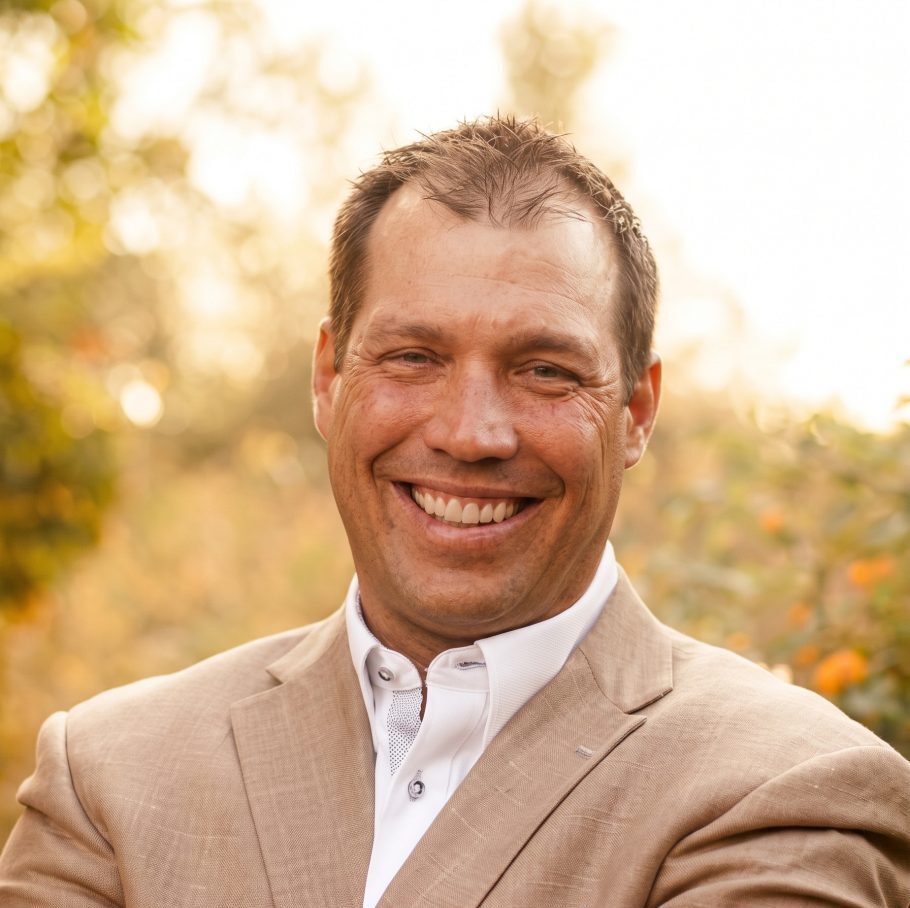
“People are the true asset” has become a familiar phrase in corporate America. For business leaders, the phrase can express a genuine commitment to employees and the role they play in an organization’s success. Yet Rick Beyer, CEO of Engage Wellness Partners, a company focused on employee wellness focused on total human capital strategy, suggests that the deeper test of that philosophy may appear in a company’s benefits structure and allocation of resources.
Beyer’s perspective comes from years spent working with business owners, financial professionals, and employers on compensation packages, benefits and total rewards. His experience has led him to view employee benefits as part of a broader business conversation: how an organization’s stated values translate into practical decisions about compensation, healthcare, retirement, voluntary benefits, wellness, and financial security.
That perspective becomes especially relevant as employers navigate a workforce whose needs continue to evolve. Deloitte’s 2026 Global Human Capital Trends research reports that seven in 10 business leaders identify speed and adaptability as a primary competitive strategy for the next three years. The report also points toward a growing emphasis on continually redesigning work, capabilities, and workforce systems as conditions change.
For Beyer, that fundamental principle extends into employee benefits. He says, “A benefits program is critical in an ongoing human capital strategy, with employers periodically asking three fundamental questions: What do we say we value? Where are we actually allocating resources? And how closely do those decisions reflect the priorities we communicate?”
Those questions can reveal a familiar challenge: compensation, health insurance, retirement, voluntary benefits, and wellness are often managed as separate purchasing decisions. Annual renewals can reinforce that structure, making benefits administration an event on the calendar instead of an ongoing business discipline.
Beyer’s framework offers another way to think about the process. He compares a thoughtfully designed benefits strategy to an irrigation system for a flower. “The system requires initial design and ongoing maintenance, while the flower continues to grow and change. Workforce strategy can operate similarly,” he explains. “Demographics shift, healthcare needs develop, work arrangements evolve, and business priorities change. The infrastructure supporting employees may therefore require periodic adjustment as those conditions develop.”
That philosophy also helps explain the role Beyer’s companies play within the broader human capital landscape. Through Forge Benefits Group, his human capital total rewards company, Beyer works through financial advisors, CPAs, and other professionals who advise business owners, CFOs, and HR leaders. The model considers areas ranging from owner accumulation and equity to core healthcare, voluntary benefits, risk management, preventative wellness, and industry benchmarking.
Engage Wellness represents the preventative wellness component of that broader framework. Its program is designed to complement existing health benefits through services such as telehealth, mental health support, healthcare discounts, and wellness activities, alongside administrative and compliance support. “The underlying idea is that employee wellness can have a place within the economics of a benefits strategy, particularly when employers examine how everyday healthcare access interacts with their broader spending decisions,” Beyer remarks.
The financial dimension of employee well-being adds another layer to that conversation. PwC’s 2026 Employee Financial Wellness Survey reports that 59% of respondents say they are currently experiencing financial stress. Among Gen Z respondents, 85% say financial stress affects their mental health, while 71% report reduced productivity. The report also finds that 49% of respondents believe their compensation is not keeping pace with costs.
For employers, those findings can broaden the definition of a benefits strategy. Financial wellness, healthcare access, preventative care, and supplemental benefits can each address different dimensions of an employee’s experience. Their value may become greater when considered as connected components of a total rewards and access platform.
Beyer’s experience across roughly 25 years and more than 10,000 clients informs a simple principle. Employers may gain more from examining how intentionally they allocate existing resources than from simply increasing the size of their benefits budget. “You expect what you inspect,” he emphasizes. It is a reminder that effective programs require attention, accountability, and ongoing evaluation.
That philosophy points toward a broader shift in the way business leaders can think about employee benefits. Benefits purchasing can become one component of a mission-aligned human capital strategy, where spending decisions reflect workforce needs, organizational values, and long-term business objectives.
For Beyer, the opportunity lies in making that connection more deliberate. Employee benefits can serve as a practical expression of what an organization says it values, while also becoming part of the infrastructure through which a company supports its people and pursues sustainable business goals.
Email: [email protected]