



Over the past decade, the experience of childhood has shifted. Activities once considered routine, riding bikes after school, playing neighborhood games, or spending long afternoons outdoors, have become less common in many communities. In their place, digital devices and highly structured schedules increasingly shape how young people spend their time, prompting renewed questions about where everyday movement and physical activity fit into modern childhood.
Research suggests the shift is measurable. According to the research, children and adolescents aged 6 to 17 should engage in at least 60 minutes of physical activity each day. At the same time, the youth sports economy has grown into a massive ecosystem. Estimates indicate the youth sports industry in the United States is valued at roughly $40 billion, reflecting how organized athletics have become a major part of childhood culture.
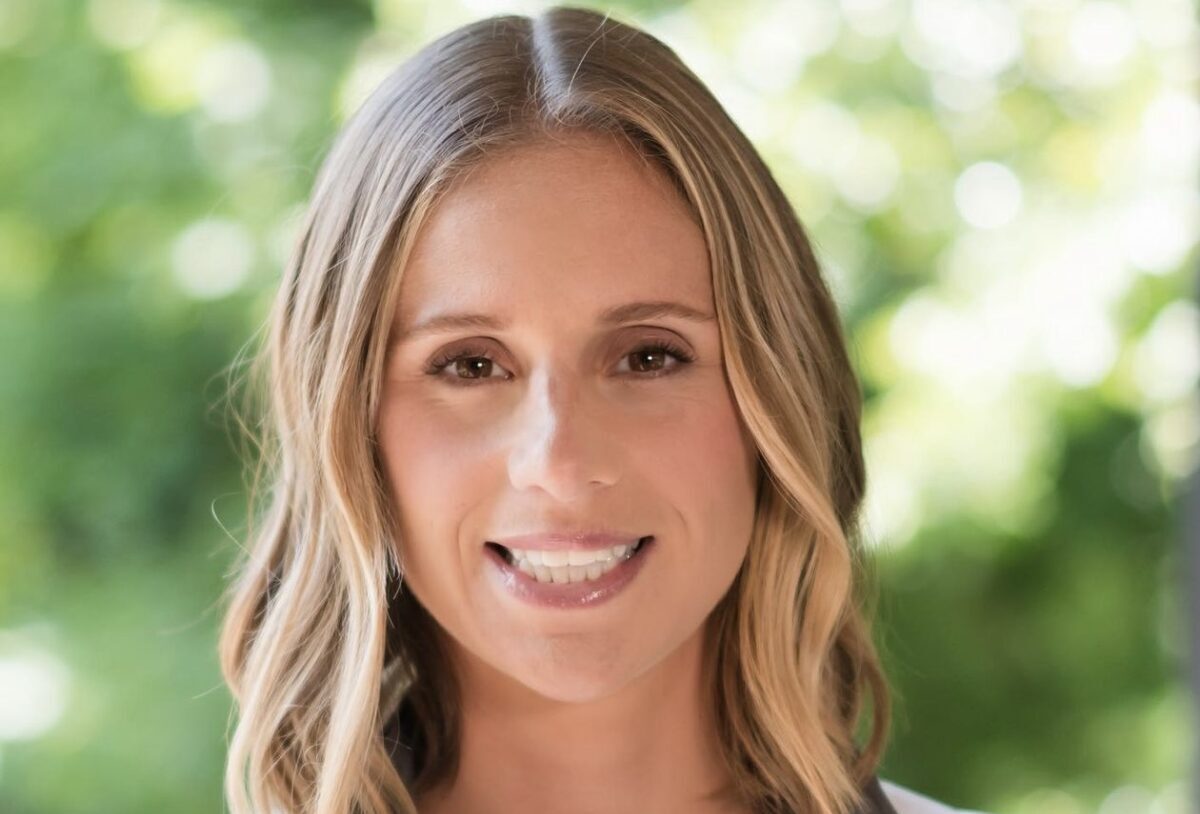
Christina Collins, founder of NeverStopMoving365, believes the conversation about children’s movement often falls between two extremes. From her perspective, childhood today tends to revolve around either screen-heavy routines or highly competitive sports programs. “Many kids are either spending large portions of their day on devices or participating in organized sports that revolve around scoreboards and performance,” Collins explains. “But there is a middle ground that focuses on confidence, movement literacy, and lifelong health rather than competition.”

NeverStopMoving365 is an organization that introduces what Collins explains as kids’ personal training. The concept adapts the personalized coaching model familiar in adult fitness and applies it to youth development. Rather than focusing on a single sport, the program exposes children to a wide range of movements designed to build coordination, strength, and confidence.
According to Collins, a single session may include obstacle courses, relay activities, balance exercises, and basic skills such as bike riding or swimming. Children can experience dozens of activities within one session, allowing them to develop confidence and comfort with movement itself rather than mastering one sport position.
Collins explains that the philosophy grew from her background in athletics and education. Before launching the company, she worked as a personal trainer, group fitness instructor, and physical education teacher. Her perspective evolved further after becoming a parent, when she noticed many families searching for ways to introduce movement without the pressure of competition. She built the business around everyday parenting routines such as nap schedules and school drop-offs.

From Collins’ point of view, movement can offer benefits that extend well beyond physical fitness. She explains that activities such as obstacle courses or coordination drills can help children develop persistence, resilience, and the willingness to try new challenges. “Sports gave me a toolkit of grit, perseverance, and learning from mistakes,” Collins says. “What we aim to do is pass that mindset to children without needing a scoreboard or a competitive environment.”
The structure of NeverStopMoving365 reflects that philosophy. Coaches work with children in small sessions tailored to their comfort level and development. Collins explains that this approach supports kids who feel intimidated by traditional team sports or who need help building coordination and confidence. The goal, Collins notes, is to create positive early experiences with movement so that physical activity becomes a lifelong habit.
Families often notice meaningful changes when children engage with movement in this way. Collins says that some parents report their children asking for evening walks or choosing outdoor play over screen time. According to her, these moments can reflect a shift in how children approach movement and daily routines.
Collins also views the model as more than a fitness program. NeverStopMoving365 operates as a franchise system that allows educators, coaches, parents and entrepreneurs to bring youth movement programs to their communities. The mobile structure removes the need for a permanent facility, while the company provides training, branding support, and digital tools such as a mobile app that enables families to book sessions and activities.
In Collins’ view, the approach brings together two trends shaping modern entrepreneurship. One involves the growth of service-based, mobile businesses that can launch quickly and operate without large physical footprints. The other reflects increasing interest in purpose-driven ventures that contribute to community wellbeing. “The people who join us are often motivated by both impact and opportunity,” Collins says. “They want to build a meaningful business while also helping children in their community become healthier and more confident.”
As conversations about children’s wellbeing continue to evolve, Collins believes youth fitness may require new models that complement traditional sports rather than replace them. For families, educators, and entrepreneurs exploring that space, the concept of kids’ personal training represents an emerging approach to childhood movement.
“Our mission is to help children discover that movement can be joyful, empowering, and part of everyday life,” Collins says. “When that happens, the benefits reach far beyond the gym or the playing field.”

