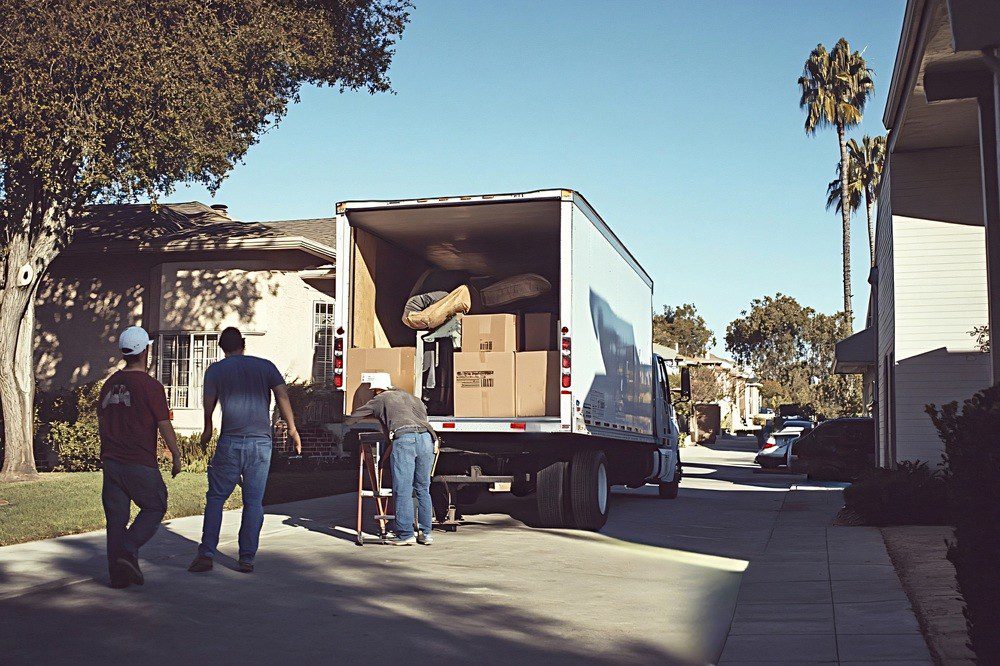
Some moves are decided long before the truck arrives, and the deciding factor is usually the street. A narrow block with permit parking, a steep grade, and a third-floor walk-up can turn a half-day job into a full one. The same household with the same furniture in a suburban cul-de-sac would finish by lunch. This article looks at the practical problems that dense Bay Area neighborhoods create and how a bit of advance work keeps them from dominating the day.
The truck needs a place to stop
Parking is the first obstacle, and it is the one that most often gets ignored until the morning of the move. A moving truck is long, tall, and slow to maneuver, and it needs a curb space that stays open for several hours. In many cities a household can apply to the local transportation agency for a temporary no-parking permit, which usually involves posting notices on the block ahead of time. Moving guides from Best California Movers cover street-use permits as well, and the practical rule is to file the request as soon as the moving date is set.
When a permit is not possible, the crew has to work from a shuttle arrangement. A smaller vehicle or hand truck carries items from the front door to the large truck parked around the corner. That adds travel time to every trip, and an hourly bill climbs accordingly. It is worth asking each mover in advance how they handle a long carry, since some include a distance allowance and others charge by the minute.
Double parking is a tempting shortcut that rarely ends well. A blocked lane brings honking, tickets, and sometimes a tow for the vehicle in front of the truck. Neighbors also tend to remember the inconvenience, which matters when the household is moving within the same community. A polite note on neighboring doors a day before the move costs almost nothing and prevents most arguments.
Hills, stairs, and elevators
Steep streets change how a crew works. Dollies get harder to control on a slope, heavy pieces need more hands, and the truck itself may need to be parked facing a particular direction for safety. Then again, experienced crews handle hills every week and know to chock the wheels and keep the ramp short. The household’s job is to mention the grade when booking, so the estimate reflects reality rather than a flat-street assumption.
Stairs are the next variable, and they are measured in flights, not in floors. Two flights with a landing in the middle are far slower than one straight run, and a spiral staircase may rule out certain furniture altogether. If a piece cannot get down the stairs intact, a crew may need to remove a railing, take off a door, or lift the item over a balcony with proper equipment. Telling the mover about these details up front is better than finding out midway through the morning.
Elevators bring their own rules. Many large buildings reserve a freight elevator for a window of a few hours and require padding to be installed on the walls first. A property manager may ask for proof of insurance from the moving company, and some buildings charge a deposit that gets refunded after an inspection. All of this takes a phone call or two, and it should happen well before the date is locked in.
Packing for small spaces and big distances between rooms
Compact homes call for a different packing approach. When closets are small and storage is scarce, boxes pile up fast, and a crowded hallway slows everyone down. Packing room by room and moving finished boxes into a single staging corner keeps pathways open. That corner should be near the exit, so the crew spends less time walking and more time loading.
Furniture often has to be disassembled in these homes, and a surprising number of moves stall because a bolt has gone missing. Putting every screw and bracket into a labeled bag and taping it to the piece it belongs to solves most of the trouble. Mirrors, television screens, and glass tabletops should be wrapped and kept upright, never flat. That said, a few extra minutes spent protecting one oversized mirror often saves more money than any discount on the hourly rate.
Items that will not fit in the new place deserve a decision before the move, not after. Sellers and donation services are busy in dense cities, but they still need a few days of notice. Anything left over on moving day either rides along at full price or gets left on the curb, which many city rules do not allow without a scheduled bulky item pickup. Checking the local waste service schedule early avoids a fine and a lot of frustration.
Choosing a crew that knows the area
Local knowledge counts for more in a crowded city than it does in an open suburb. A crew that has worked a neighborhood before knows which streets close for markets, where loading zones sit, and which buildings have awkward lobbies. Households in the South Bay often start their search with movers in santa clara and then widen the circle if the schedule is tight, since a move between two nearby cities still depends on how well the crew handles both ends. Checking that a company holds the proper state license is a reasonable first filter, and a request for references or recent reviews adds another layer.
Timing within the day matters in a crowded city as well. Morning moves tend to meet lighter traffic and more available curb space, while afternoon loading collides with school pickups and delivery trucks. A crew that starts at eight can often be nearly done before the lunch rush fills the street. Asking the mover which hours it prefers for a given neighborhood is a quick way to learn how much experience it has with the area.
Weather adds another wrinkle that Bay Area households sometimes forget. Fog and winter rain make steep sidewalks slick, and a wet cardboard box can collapse under the weight of books. Plastic bins, tarps for the sofa, and a few rolls of floor runner keep the building lobby clean and the furniture dry. Many crews carry these materials, yet a household that supplies a few extras never has to worry about the gap.
Neighbors and building staff play a bigger role than people expect. A doorman or a resident manager can unlock a side entrance, hold an elevator, or point out which loading zone is actually enforced. A short thank-you note or a courtesy coffee for the building staff after the move goes a long way if the household stays in the area. Good relationships with the building often mean easier moves in the future for everyone in it.
Written estimates remain the strongest protection against surprises. The document should name the date, the addresses, the number of movers, and the rate, plus any extra charges for stairs, long carries, or heavy items. Asking how the company handles damage claims and what coverage comes with the base price is a fair question. Reading those terms ahead of time costs nothing, whereas reading them after a dispute costs a great deal.
On the morning itself, the household should be ready before the crew arrives. Beds stripped, boxes taped, valuables set aside, and the path to the door cleared make for a calmer start. A lead mover usually appreciates a quick walkthrough and a direct list of any fragile or high value items. Anyone wanting a rough idea of how crews describe their service areas and process can read more at https://bestcaliforniamovers.com/ before making calls.
Dense neighborhoods reward preparation more than they reward speed. A permit, a tape measure, and a short phone call to the building manager do more for a smooth move than any extra hands on the truck. Once the logistics are settled, the carrying itself is a fairly predictable job. The street, in the end, is what sets the pace.