



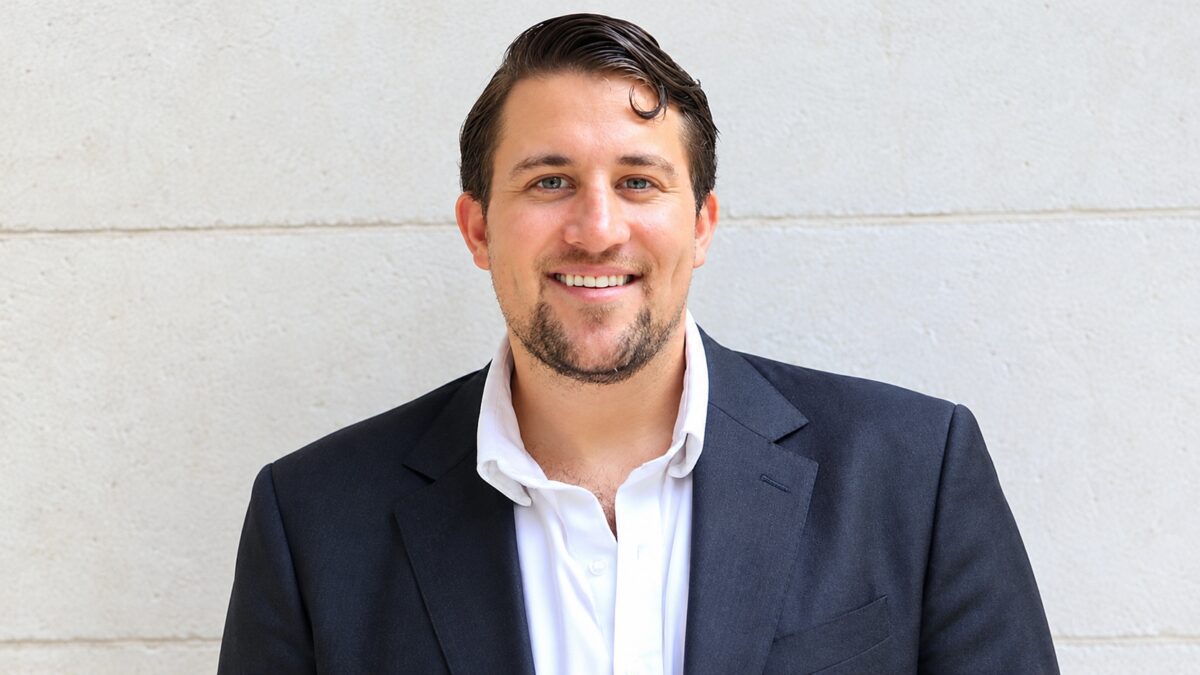
Most mornings, Mason Jappa has about an hour to catch up on work before the calls start coming in. The Compute USA founder uses that time to review data center projects and customer agreements while seeing what happened overnight.
Suppliers, equipment deliveries and projects are spread across different time zones, so there is usually plenty to sort through before the first meeting of the day.
Compute USA has already signed more than $750 million in contracts, signed more than 100 megawatts of data center space and has more than 10 megawatts currently being deployed. Jappa expects roughly another $1 billion in deals to close during the fourth quarter.
The company’s rapid growth has made Jappa even more deliberate about who he brings onto the team.
“The risk with fast growth is that you hire for speed and lose judgment,” he said. “I’d rather slow a hire down than compromise on the kind of people who make good decisions when nobody is watching.”
As Compute USA takes on larger projects, Jappa knows that he won’t be able to weigh in on every decision, making it even more important to hire people he can trust. He wants team members who will communicate when something goes wrong, take responsibility for their work and think about how their decisions affect the rest of the company.
Building A Culture That Prioritizes Judgment Over Speed
Jappa describes Compute USA’s environment as intense and direct, with employees expected to speak up as soon as they notice a potential problem.
“If a deployment date is at risk, I want to hear it the moment someone suspects it, not the day before,” he explained. “Bad news early is a gift here.”
During his Bitcoin mining career, some sites looked ready to develop but were still 18 months away from getting the power they needed to operate. Even a single delay can affect other parts of a project, no matter how minor.
When employees immediately voice potential problems, it gives Compute USA more time to adjust schedules and take other steps to address the issue.
Jappa expects open communication to extend across departments. Employees negotiating customer agreements need to know what the company’s infrastructure can realistically support, while the teams preparing data centers need to understand what customers have been promised. When problems arise at a site, Jappa wants both groups to take responsibility for helping resolve them.
Every customer commitment and data center site has a specific person responsible for overseeing it, so employees know who to turn to for questions or concerns. Jappa intentionally documents major decisions, writing down why they were made and what the company learned from them.
“Culture doesn’t scale through osmosis once you’re past the point where everyone shares a room,” he said.
Jappa also wants employees to understand that signing a contract is only part of the job. He believes the people doing the unglamorous work, like getting a computing cluster running at 2 a.m., deserve just as much recognition as the employees who brought in the customer in the first place.
As Compute USA grows, more employees are taking on responsibilities that Jappa once handled himself, but he still helps make hiring decisions.
“I’m still personally involved in senior hires and in setting the bar for everyone else,” he said. “The first few hundred people define the culture for the next few thousand.”
Leadership Lessons From Bitcoin Mining
Building Bitcoin mining companies taught Mason Jappa the importance of developing employees who could make smart decisions without depending entirely on his direction. He also learned to question his assumptions during periods of growth, having made some of his poorest decisions when he became too focused on expanding the business.
Jappa still believes in moving quickly when opportunities arise, but he’s more careful about whether the company has the people, equipment and resources needed to follow through on its plans.
Jappa has also become more willing to acknowledge what he doesn’t know and consider ideas from employees regardless of their positions. He wants experienced team members who can recognize problems, offer solutions and take responsibility for the work they oversee.
Inside Jappa’s Day of Deals and Data Centers
Much of Jappa’s time today is divided between working with customers and checking on the progress of Compute USA’s data center projects. He remains directly involved in the company’s largest agreements, giving customers a direct line to the person responsible for delivering what they’ve purchased.
Rather than beginning with equipment specifications, Jappa asks what customers plan to use their computing capacity for, when they’ll need it and how demand might change over the next 12, 24 and 36 months. Their answers help him determine how much capacity to reserve, which equipment will meet their needs and what contract terms make sense for their plans.
Between customer discussions, he works with infrastructure and operations leaders to review individual data centers, including power availability, equipment deliveries and anything that could put a promised delivery date at risk.
Jappa also maintains relationships with former Bitcoin mining colleagues, many of whom now work in power development and AI infrastructure. Their experience finding electricity, developing facilities and operating large amounts of computing equipment remains relevant to Compute USA’s projects.
Toward the end of the day, he tries to reserve time to think about where the market is heading, what Compute USA should build next and which future hires will matter most. Jappa also protects time for family and staying active, having learned that he makes better decisions when he isn’t exhausted.
The Costly Mistakes Jappa Wants Other Founders to Avoid
Outside Compute USA, Jappa makes time to speak with founders and operators who are facing problems similar to those he encountered during his Bitcoin mining career. Most of his mentoring happens informally, often when someone reaches out before a big decision.
“The most useful thing I can offer isn’t capital; it’s pattern recognition,” he said.
Some founders underestimate how long it will take to get electricity to a facility, while others promise customers computing capacity before suppliers have confirmed when the equipment will arrive. Financing can create additional problems when companies use short-term funding to pay for facilities and equipment intended to operate for years.
Hiring more employees before defining their roles and figuring out how to manage a larger team can make it harder to keep projects on track as the company grows.
Having made some of these mistakes himself, Jappa wants to help other founders recognize potential problems before investing more money or resources.
“Infrastructure is unforgiving. It’s capital-intensive, slow and physical, and the market doesn’t care how good your pitch deck is if the site isn’t energized,” he said. “I’d rather tell a founder that early than watch them learn it with someone else’s money.”
Eventually, Jappa hopes to take on a more formal mentoring role and help more founders learn how to build physical infrastructure in the United States. He is particularly interested in education and technical training for electricians, technicians and engineers who construct and operate data centers.
He wants more young people to recognize those careers as opportunities to earn a good living, especially as the demand for facilities supporting AI continues to grow.
Investing in the Team, Not Just the Company
Ten years from now, Mason Jappa hopes Compute USA will have helped build a meaningful portion of the infrastructure supporting artificial intelligence and other technology in the United States. He wants the company to contribute to a network of computing facilities built and operated domestically, giving American businesses more options for securing the equipment and capacity they need.
Jappa also hopes Compute USA will be remembered for keeping its promises. When the company signs an agreement or commits to delivering a certain amount of computing capacity, he wants customers to know the equipment will be available on time and work as intended.
“Trust compounds faster than revenue,” he noted.
Beyond its business agreements, Jappa wants Compute USA to have a positive impact on the communities where it develops data centers. That includes hiring locally when possible, working with utilities and public officials in good faith and creating opportunities for skilled employment and investment.
Personally, he hopes to be remembered for building physical infrastructure that mattered, treating people fairly and leaving the communities where he worked better than he found them.
Still, the accomplishment Jappa would find most meaningful comes back to employees gaining experience at Compute USA today. He hopes that years from now, people working throughout the infrastructure industry will be able to say they learned how to build at his company.
Seeing those employees eventually lead businesses of their own would matter more to him than the value of any individual contract.
“I hope people talk about the team,” he said. “The best thing a founder can build isn’t a company; it’s a group of people who go on to build the next ten companies.”

