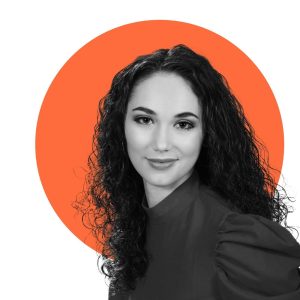

Lillie Mae, known to many as Lil, is a storyteller, strategist, and cultural architect rooted in purpose and driven by impact. Originally from Danville, Virginia, and now based in Atlanta, Georgia, she has emerged as a powerful voice for those seeking to be seen, heard, and represented across film, media, and entertainment.
Grounded in the timeless principles of Faith, Charity, and Love, Lillie Mae has built more than a brand; she has cultivated a movement. Lillie Mae – The Collective is a multi-platform ecosystem designed to amplify authentic voices, champion culture, and create meaningful opportunities for connection, creativity, and community.
Her leadership extends across a dynamic portfolio of ventures. Lillie Mae is the Founder of Lillie Mae – The Collective, LLC; Senior Media Relations Coordinator at Corporate Compositions, LLC; and Executive Producer at Back 2 The Basics Production Management Group.
Through every role, one mission remains constant: to elevate stories that matter and ensure no voice goes unheard.
Every film begins with a question the creator can’t stop asking. What question was at the heart of Full Figured Flingsfor you?
Lillie Mae: At the heart of Full Figured Flings was a question that refused to let go: Why are plus-size Black women so rarely portrayed as the heroes of their own stories? For generations, full-figured women have been confined to predictable roles: the comedic best friend, the secret girlfriend, the outspoken auntie, or the woman whose size becomes the punchline. Rarely are they depicted as the first choice, the successful executive or the romantic lead. That question expanded into something even deeper: How do plus-size women truly experience the world? What emotional weight do they carry while navigating careers, relationships, dating, and everyday life? Most importantly, what becomes possible when women who have spent years questioning their worth finally decide they are already enough? Full Figured Flings was born from the desire to answer those questions while celebrating women who refuse to shrink themselves physically or emotionally to fit someone else’s definition of beauty.
You’ve shared that your own experiences with colorism and size discrimination inspired this film. Was there a specific moment in your life that became the emotional starting point for the screenplay?
Lillie Mae: The emotional foundation of Full Figured Flings was built on a lifetime of experiences. The film’s lead actress expressed the frustration of knowing she had the talent to succeed but continually was overlooked for roles she knew she could perform. Her words echoed years of personal experiences with both size discrimination and colorism. Growing up as a morbidly obese child, there was an early awareness that certain qualities, intelligence, athleticism, talent, and even having lighter skin, often afforded opportunities that equally deserving women did not receive. Throughout childhood, college, and adulthood, it became impossible to ignore how darker-skinned women were often treated differently, even within families, not necessarily because of intentional cruelty, but because generations of unconscious bias had become normalized. Witnessing those realities firsthand, including within one’s own family, revealed how deeply colorism is rooted in America’s history through practices like the Brown Paper Bag Test and the lasting effects of slavery. Those lived experiences became the heartbeat of the screenplay, inspiring a story that challenges both colorism and body discrimination while celebrating women exactly as they are.
As both a creative leader and performer, how did wearing multiple hats change the way you approached the production?
Lillie Mae: Serving as both a creative leader and performer required constantly shifting between two very different mindsets. There were moments that demanded complete vulnerability as an actor, immediately followed by stepping behind the camera to ensure every scene remained faithful to the larger vision. Protecting the emotional integrity of the story became the highest priority because this project was deeply personal. Every performance, every line of dialogue, and every creative decision needed to reinforce the film’s central message of self-worth, representation, and authenticity. That often meant stepping out of character between takes to provide direction before fully immersing back into the role. It was challenging, but the ultimate goal was never simply to make a movie but to create an authentic experience that audiences could genuinely feel.

What do you think people often misunderstand about the emotional weight that colorism and body shaming can carry over a lifetime?
Lillie Mae: One of the greatest misconceptions about colorism and body shaming is the belief that they stem from isolated incidents or a few hurtful comments. In reality, their impact is cumulative. Over the course of a lifetime, subtle messages from family members, media, schools, workplaces, relationships, and society begin to shape how people view themselves. Those repeated messages quietly communicate that someone would be more beautiful, more desirable, more successful, or more worthy if they looked different. Eventually, those outside voices become an internal dialogue that continues long after the criticism has stopped. The emotional consequences extend far beyond confidence; they influence relationships, career choices, self-worth, and even fuel industries built around changing one’s appearance.
Many people have experienced feeling “not enough” for one reason or another. How did you make sure the themes remained universal while honoring the specificity of Black women’s experiences?
Lillie Mae: The goal was never to dilute the experiences of Black women in order to make the story more universally appealing. Instead, the film embraces those experiences with honesty and authenticity. Full Figured Flings specifically explores the realities of colorism, body image, and beauty standards within the Black community. Nearly everyone has experienced moments of feeling overlooked, underestimated, excluded, or somehow “not enough.” By remaining truthful to the lived experiences of Black women, the film naturally creates space for audiences from every background to recognize pieces of themselves within the story. The more specific the storytelling becomes, the more universal its emotional impact can be.
There’s often pressure to make socially conscious films feel like lessons. How did you ensure this remained a compelling human story first?
Lillie Mae: The story remained compelling because it was never written as a lesson but from lived experience. Much of Full Figured Flings draws inspiration from real people, conversations, and emotional journeys. Instead of creating characters to illustrate social issues, the focus remained on developing believable individuals whose hopes, insecurities, relationships, and ambitions felt genuine. The conversations surrounding body positivity, colorism, and self-worth emerge naturally because they are woven into the characters’ lives rather than delivered as speeches. Casting also reflected that philosophy. When audiences genuinely care about the people on screen, the larger conversations resonate far more deeply than any lesson ever could.
The film encourages viewers to look beyond appearances. What do you hope audiences begin noticing about themselves after watching it?
Lillie Mae: The hope is that audiences leave Full Figured Flings with a renewed understanding that beauty has never existed within one narrow definition. Society has spent generations convincing women that certain body types, skin tones, and appearances deserve greater visibility, love, and opportunity, but those standards were never designed to celebrate everyone’s humanity. This film encourages viewers to embrace the beauty of real bodies, diverse shapes, varying skin tones, and authentic individuality without apology. It also challenges audiences to look beyond appearances when interacting with others. The film invites people to treat themselves with greater compassion while extending that same grace to those around them, reminding everyone that confidence, love, joy, and belonging are not reserved for a select few, but for all of us.
What do you hope Full Figured Flingscontributes to the future of independent Black cinema?
Lillie Mae: The hope is that Full Figured Flings helps expand the stories being told within independent Black cinema by proving there is value in layered storytelling that moves beyond familiar stereotypes. Black audiences deserve to see films that reflect the full spectrum of their lives, not only stories centered around trauma, violence, or hardship, but also stories celebrating thriving families, healthy relationships, successful careers, healing, romance, joy, and resilience. Independent filmmakers have an opportunity to reshape cultural narratives by telling stories that reflect the richness and complexity of Black life in all its forms. If Full Figured Flings inspires more creators to tell bold, honest stories while encouraging the industry to value talent, authenticity, and diverse perspectives over outdated expectations, then it will have contributed something meaningful to the future of independent Black cinema.