



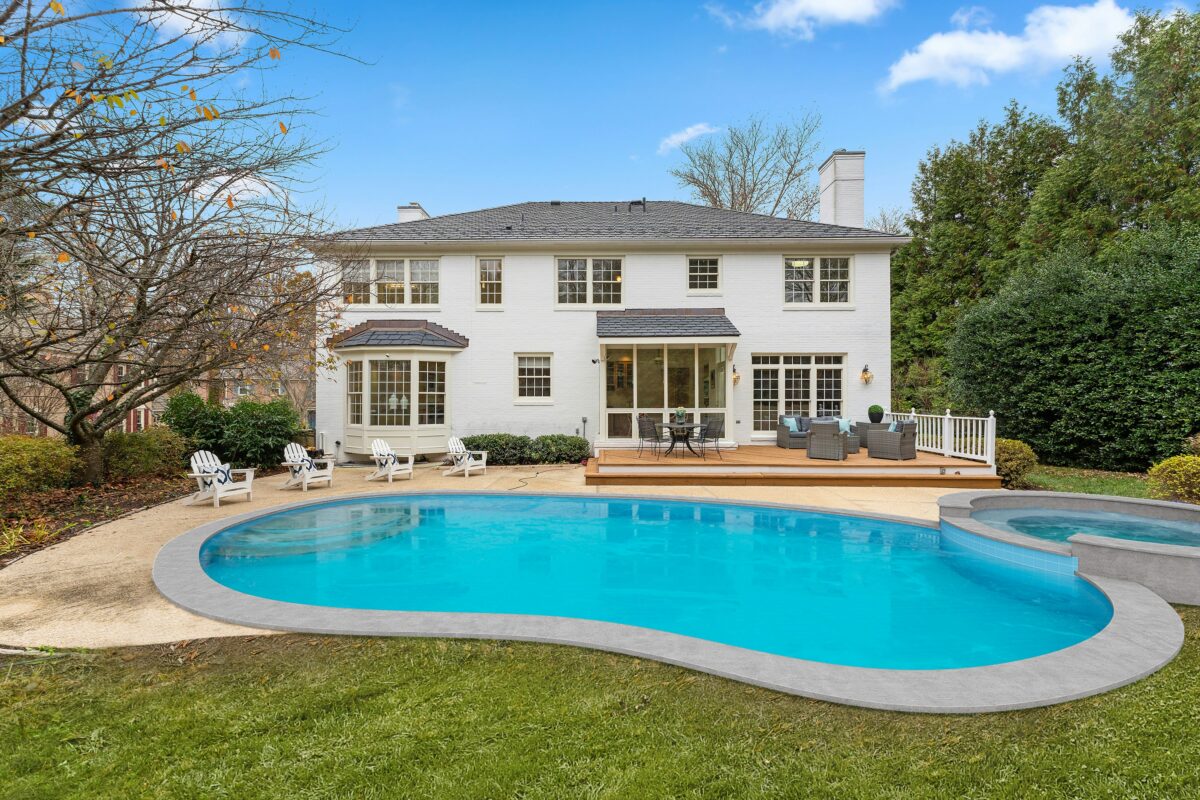
Josh Hart has built a reputation as one of the NBA’s most relentless hustle players — the kind of guy who grabs rebounds he has no business grabbing and dives into the third row for a loose ball. But away from Madison Square Garden, the New York Knicks forward has a different kind of story: his relationship with the places he calls home. Fans searching for details about the Josh Hart house are often curious about where he lives, what his style is like, and how an NBA lifestyle shapes a residence.
Below is an informative look at Josh Hart’s housing journey, what we can reasonably infer about his living situation, and what everyday homeowners can take away from it.
A Quick Note on Verified Information
Before diving in, it’s worth being upfront: there are no confirmed, publicly verified details available in these search results about Josh Hart’s specific property purchases, addresses, square footage, or purchase prices. Much of what circulates online about athlete homes is speculation, repackaged rumor, or outdated listings. This article focuses on context, lifestyle, and design insight rather than unverified claims — which, frankly, is the more useful read anyway.
From Silver Spring to the Spotlight
Josh Hart grew up in Silver Spring, Maryland, in a modest household before his basketball talent carried him to Sidwell Friends School and then to Villanova, where he won a national championship. That background matters when discussing his housing choices. Players who come from grounded, working-class upbringings often approach real estate differently than those chasing headline-grabbing mansions.
Hart has been candid in interviews and on his podcast about valuing stability, family, and privacy. He’s married to Shannon Phillips, and the couple have children together — which naturally shifts housing priorities toward space, safety, and school access rather than nightclub proximity.
The Nomadic Reality of an NBA Career
One underrated truth about NBA housing: it’s rarely permanent. Hart has played for the Los Angeles Lakers, New Orleans Pelicans, Portland Trail Blazers, and now the New York Knicks. Each trade means uprooting, finding new schools, new neighborhoods, and often new leases.
Because of this, many mid-career players adopt a two-property strategy:
A long-term “anchor” home in a city with family ties or favorable tax conditions
A flexible in-season residence — frequently a luxury rental or condo near the team facility
For a Knicks player, in-season living often means a high-rise apartment in Manhattan, Westchester County, or along the Hudson in New Jersey, keeping commutes to the Tarrytown practice facility manageable.
What NBA Homes Typically Prioritize
Whether or not we know Hart’s exact address, the design priorities of professional athletes’ homes are well documented and genuinely interesting:
Ceiling height and doorway clearance. At 6’4″, Hart has it easier than most, but standard 8-foot ceilings still feel cramped in homes designed for players and their taller teammates.
Recovery spaces. Cold plunge tubs, saunas, massage rooms, and home gyms are near-universal. The modern athlete home dedicates serious square footage to physical maintenance.
Oversized furniture. Standard sofas and beds simply don’t work. Custom and extended-length furniture is standard.
Media rooms. Film study is part of the job, and a quality screening setup doubles as family entertainment.
Privacy landscaping. Gated entries, mature hedging, and long driveways are functional necessities, not luxuries.
Lessons for Regular Homeowners
You don’t need an NBA contract to borrow smart ideas from athlete homes. Dedicating a corner of a spare room to fitness, improving natural light, investing in a comfortable recovery space like a well-designed bathroom, and choosing furniture scaled to your actual body and lifestyle are all accessible upgrades.
The broader lesson from Hart’s journey is adaptability. He’s moved cities repeatedly and made each place work. That mindset — treating a home as something you shape rather than something you simply inherit — is the foundation of good home improvement.
Conclusion
While the full details of the Josh Hart house remain largely private, his story highlights something universal: a home is less about square footage and more about comfort, function, and the people inside it. Whether you’re working with a Manhattan apartment or a suburban semi-detached, thoughtful design makes the difference.
If you’re looking for inspiration to transform your own space, Home Comfort Experts is an excellent resource. The website offers practical home design guidance, fresh home decor ideas, and actionable home improvement tips suited to real budgets and real houses. From styling small rooms to planning larger renovations, it’s a helpful starting point for anyone wanting to make their home genuinely more comfortable.