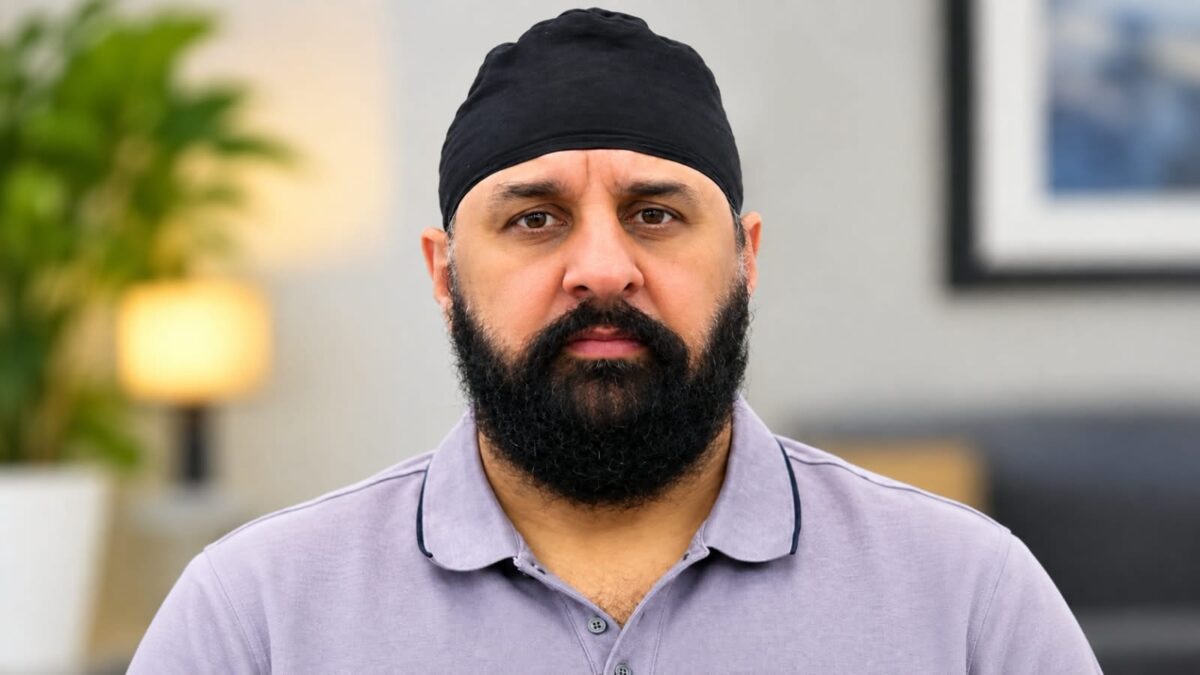
In hospitality, property value is created twice: first through the physical asset, then through the way that asset is operated every day. Jagmohan Dhillon has spent more than 25 years working at that intersection, combining hotel ownership, real estate investment, and hands-on hospitality management.
As founder of Galaxy Management Company LLC, Dhillon has helped oversee acquisitions, revitalization, operations, and development. His experience includes a decade as an owner and operator of hotels affiliated with Marriott, Hilton, and IHG, giving him a working view of both property-level demands and major-brand expectations.
That combination shapes a practical leadership philosophy. Galaxy Management centers its work on protecting property, creating value, and building enduring relationships, with integrity, accountability, transparency, and excellence serving as operating principles rather than presentation language.
The Property and the Operation Are One Investment
A hotel may be purchased as real estate, but its performance depends on thousands of operating decisions. Rooms must be prepared, systems maintained, teams scheduled, expenses monitored, guests served, and brand requirements met without losing sight of the property’s long-term position.
That complexity makes hotel ownership different from passive real estate investment. The building matters, yet the daily operation determines whether the asset earns trust, supports repeat business, and remains competitive.
Jag Dhillon’s experience across full-service and select-service settings has reinforced the connection between ownership strategy and hotel operations. Galaxy Management’s approach treats staffing, budgeting, payroll, accounting, guest service, and brand compliance as parts of the same performance system.
The scope is significant across the industry. The American Hotel and Lodging Association reports that hotels support more than 9.1 million U.S. jobs and contribute more than $894 billion to the nation’s gross domestic product. Behind those figures are individual properties whose results depend on coordinated leadership.
Financial Controls Create Room for Better Decisions
Strong financial controls do more than restrict spending. They give owners and operators a clearer view of what is happening inside a property, where resources are producing value, and where corrective action may be needed.
For Galaxy Management, financial discipline has been a core part of revitalizing and operating hospitality assets. Reliable budgeting, payroll oversight, accounting practices, and performance review help management distinguish temporary pressure from a deeper operational issue.
That visibility can also improve the timing of investment. When leaders understand cash flow, labor patterns, maintenance needs, and departmental performance, they can prioritize improvements instead of responding only when a problem becomes urgent.
Dhillon’s approach links control with stewardship. Protecting a property means preserving the asset while ensuring that short-term decisions do not weaken the guest experience or the hotel’s competitive position.
Financial discipline also strengthens communication among owners, operators, lenders, brand representatives, and employees. Clear information creates a common basis for decisions, supports accountability, and reduces the uncertainty that can slow improvement.
Revitalization Begins With an Honest Operating Picture
Acquiring a hotel is only the opening step in creating value. A new owner must understand the property’s physical condition, operating culture, financial systems, market position, and relationship with its brand.
Dhillon has overseen the acquisition and revitalization of multiple branded hotels and motels. That work requires a close review of both visible needs and less obvious operating gaps, from infrastructure and staffing to processes that affect consistency.
Infrastructure improvements are especially important because deferred needs rarely stay isolated. A mechanical issue can influence room availability, labor demands, guest satisfaction, and revenue at the same time.
Effective revitalization therefore calls for sequencing. Immediate risks must be addressed, but improvements also need to support the property’s broader strategy and the standards expected within its market segment.
Galaxy Management’s model emphasizes hands-on leadership during that process. Direct involvement gives decision-makers a clearer understanding of what teams face, how systems function, and whether planned improvements are producing practical results.
The goal is not to change for its own sake. It is to create an operation that can perform consistently after the initial renovation, transition, or acquisition period has ended.
People Development Turns Standards Into Daily Practice
Hotels do not deliver service through policies alone. Employees interpret standards, solve problems, maintain facilities, and shape how guests experience a property.
The U.S. Bureau of Labor Statistics describes lodging managers as responsible for both guest experience and the efficient, profitable operation of a facility. That dual responsibility explains why people development is inseparable from property performance.
Dhillon has made workforce development an important part of Galaxy Management’s operating approach. Training, clear expectations, communication, and accountability help employees understand not only what to do, but why consistency matters.
People development also creates continuity. When managers build capable teams, knowledge is distributed across the property instead of being concentrated in one person or one department.
Major hospitality brands also invest in leadership pipelines. Hilton, for example, describes programs for current and aspiring leaders, including its General Manager Academy, within its workplace development efforts. The broader lesson is that service quality depends on prepared leaders at every level.
Dhillon’s hands-on style supports that principle. Visibility from ownership and management can clarify priorities, reinforce standards, and help employees connect their daily responsibilities to the property’s long-term goals.
Brand Standards Provide a Framework for Consistency
Experience with Marriott, Hilton, and IHG has placed Dhillon inside operating systems built around repeatable standards. For hotel owners, those standards affect design, service, technology, training, safety, reporting, and the many details that define a branded guest experience.
Compliance, however, is not simply a checklist. A property must translate brand expectations into routines that work with its staffing model, physical layout, local market, and financial plan.
That translation is where experienced hospitality leadership becomes valuable. Leaders must identify the purpose behind a standard, assign responsibility, measure execution, and correct gaps before inconsistency becomes part of the property’s culture.
Brand affiliation can provide recognition and operating support, but performance still depends on local execution. Guests encounter the individual hotel, not an organizational chart.
Galaxy Management’s focus on exceeding industry standards reflects that reality. The objective is to use brand requirements as a foundation while building the operational discipline needed to sustain quality over time.
Development Requires Patience Before Opening Day
Hotel development extends the operating mindset into the future. Decisions about location, design, infrastructure, brand alignment, staffing, and market position influence what the property can become long before the first guest arrives.
Galaxy Management’s recent activity includes the acquisition of a Courtyard by Marriott in Plano, Texas, and the development of several Marriott-branded properties across the country. These projects reflect an interest in strategic growth tied to established hospitality platforms.
For Dhillon, development is not separate from operations. An asset that is difficult to staff, maintain, or serve efficiently can carry those limitations for years, even if it opens with strong visibility.
Operational experience can therefore improve development decisions. Leaders who understand housekeeping flow, engineering access, guest movement, labor needs, and brand systems can evaluate plans through the lens of daily use.
This perspective also supports more disciplined growth. Each project must fit a clear purpose, receive appropriate resources, and strengthen rather than distract from the wider portfolio.
Relationships Are Part of Asset Performance
Hospitality is often measured through occupancy, rates, expenses, and property conditions. Yet durable performance also depends on relationships with employees, guests, brands, vendors, communities, and investment partners.
Galaxy Management places enduring relationships at the center of its mission. Integrity and transparency help establish expectations, while accountability gives those relationships substance when conditions change or difficult decisions arise.
This is especially important in acquisitions and development, where participants may work together across long timelines. Clear communication helps keep operational, financial, and property goals aligned.
Reputation is also connected to execution. Guidance on online reputation management often focuses on what audiences find about a business, but a durable reputation begins with what a company repeatedly does. In hospitality, the experience delivered on the property becomes part of that public record.
Community involvement adds another dimension. Dhillon’s approach recognizes that a hotel is not only an investment; it is also an employer, a customer of local businesses, and a gathering place within its market.
Building Value That Can Endure
Long-term hotel performance rarely comes from one improvement. It grows through the alignment of financial controls, trained people, sound infrastructure, brand standards, disciplined operations, and relationships strong enough to support change.
Jagmohan Dhillon’s career reflects that integrated view. His work across ownership, operations, acquisitions, revitalization, and hotel development has given him a broad perspective on how value is protected and expanded.
For Galaxy Management, operational excellence is not a single initiative with an end date. It is a management habit: understand the asset, measure the operation, invest with purpose, develop people, honor commitments, and remain adaptable as markets evolve.
That approach offers a clear model for sustainable property performance. Hospitality leadership creates long-term value when the building, the business, and the people responsible for both are managed as one connected enterprise.
That discipline gives properties a foundation for serving guests, supporting employees, and meeting ownership goals across changing market conditions today.