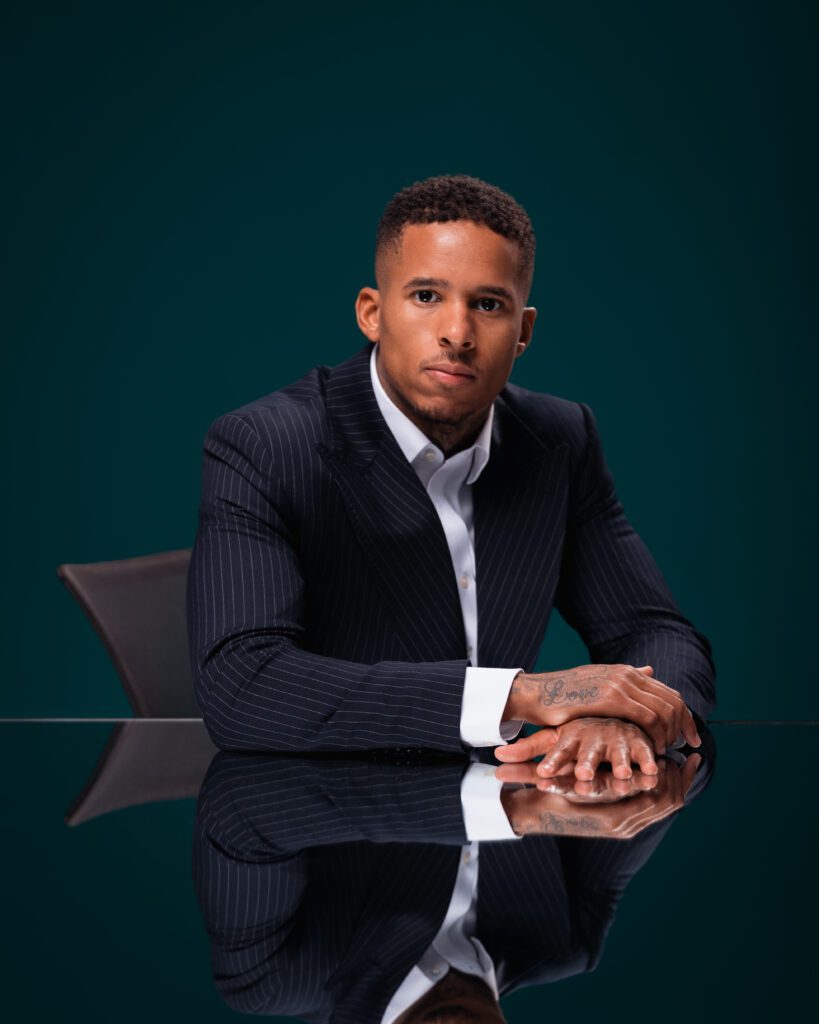
In the rapidly evolving landscape of healthcare technology, Kain Roomes stands out as a visionary leader and disruptor. As the Founder and CEO of XRP Healthcare, he has leveraged his unique journey—from former footballer and model to successful entrepreneur—to create an AI-driven platform that promises to reshape how we access medical services. In this exclusive interview, Roomes shares insights into his entrepreneurial spirit, the challenges he faced, and his commitment to building a transparent and utility-focused healthcare solution.
Tell us about yourself and your company.
I’m Kain Roomes, Founder and CEO of XRP Healthcare, the first AI healthcare platform built on the XRP Ledger. My path here wasn’t conventional — I’m a former footballer and model who, in 2018, sold my £7,000 Rolex, the last money I had, to invest in Bitcoin and crypto after falling behind on my mortgage. That decision changed the direction of my life, and within a couple of years I became a millionaire because of it. Then in September 2022, I founded XRP Healthcare, and within three months the XRPH token had reached a peak valuation of $194 million. Since then, we’ve grown to over 75,000+ cumulative users across our wallet and AI platform, and delivered more than $1.2 million in prescription savings to users. XRP Healthcare combines AI and blockchain to make healthcare more accessible.
How did you approach product-market fit and early customer growth?
SaaS
What is one lesson or piece of advice you would share with other leaders or founders?
The biggest lesson I’ve learned is: just do it. Too many founders waste time waiting for the ‘right moment’ or trying to eliminate every risk before they start — that moment doesn’t come. I didn’t have a business plan when I sold my Rolex to invest in crypto; I had a problem I needed to solve, and I moved. The clarity only ever came after I acted, never before — waiting for certainty is really just a more comfortable way of staying stuck.
What inspired you to start the company?
I had been deeply involved in the crypto space as an investor. I understood how projects were being run, how communities were managed, what holders expected, and where many founders were getting it wrong. I had seen first-hand how holders could be poorly treated and how quickly trust disappeared when a project lacked transparency, communication, or real direction.
For a long time, I said I would never start a crypto project because I had seen the immense pressure founders were under. But after losing a significant amount of my wealth in the crypto crash, I knew I needed to create a new path forward. I also knew the space well enough to believe I could build and run a project differently.
The honest truth is that I wanted to rebuild financially, but I did not want to do it by creating another project based purely on speculation. I wanted to build something with real utility, strong communication, and a clear purpose. Healthcare gave me that purpose, and that became the foundation for XRP Healthcare.
What was one of the hardest early moments, and how did you get through it?
One of the hardest moments came early on, when a scam resulted in over $300,000 worth of XRPH tokens being stolen. It hit investor confidence hard and sparked real panic at a stage when we were still establishing ourselves and earning trust. On top of that, we started facing racism as Black founders once this happened — people using it as a chance to attack who we are rather than focus on what actually happened to the business. I remember realising I had two options in that moment — freeze up, or take control. I chose the second. We made transparency the top priority: keeping the community informed with clear updates, and moving fast to tighten up security. What that experience taught me is that a company doesn’t get judged by the setback itself — it gets judged by how it responds to it.
Looking back, what do you understand now that you didn’t understand when you started?
Looking back, I understood that crypto founders were under immense pressure because I had seen it first-hand as an investor and community member. What I did not fully understand was the weight of carrying that responsibility myself. From the outside, you can see the criticism, the market pressure, and the expectations. From the inside, you feel the responsibility for the team, the community, the product, and every decision attached to the company. That is something you can only truly understand once you are in the CEO’s seat.