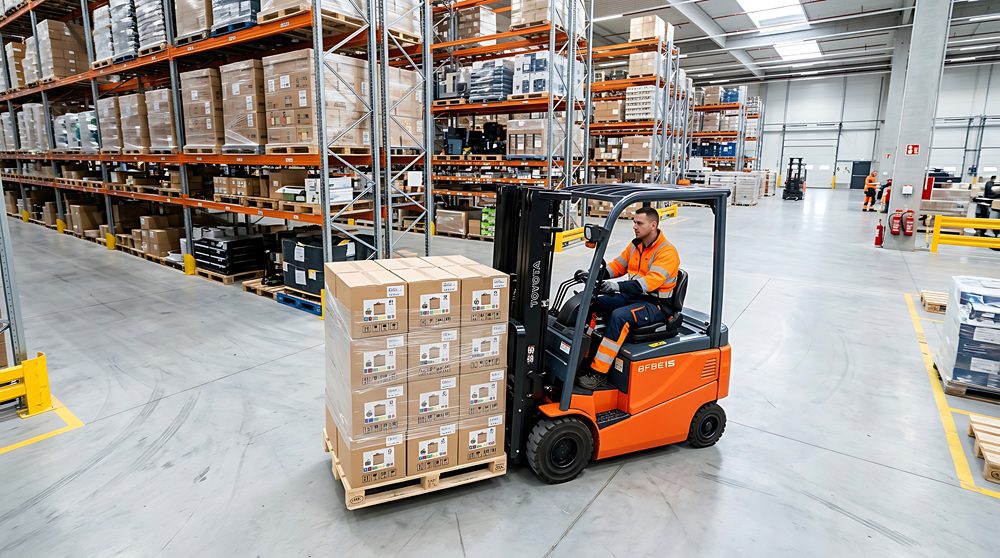
Efficient warehouse operations are crucial for keeping customers satisfied and boosting productivity. Running a warehouse means managing inventory, organizing storage, and keeping operations running smoothly. With the right strategies, businesses can simplify processes, improve efficiency, and reduce delays.
Even small changes can make a big difference. New technology and better workflows can help businesses enhance their warehouse operations. Let’s explore how to increase efficiency in your warehouse.
Strategic Layout Design
A warehouse layout plays a major role in efficiency. A well-designed layout reduces the time workers spend moving around and uses storage space more effectively. By placing frequently picked items close to shipping areas, you can save time. Grouping similar products helps workers find items quickly and reduces mistakes.
Using a method like ABC analysis can help you manage your inventory better. This method sorts items by how often they sell, helping you allocate space wisely. Although setting up a strategic layout takes planning, the long-term benefits are significant. A smooth warehouse flow can lead to faster order fulfilment and happier customers.
Embracing Technology
Using technology in warehouse operations can greatly improve efficiency. Inventory management software provides real-time data, helping businesses track stock levels and orders easily. This visibility helps avoid overstocking or running out of vital items.
Automation tools, like barcode scanners, can speed up the picking process. Workers with portable scanners can quickly find and retrieve items, streamlining workflows. Additionally, a warehouse management system (WMS) helps organize and track inventory, creating a more efficient operation. While adopting technology may require an initial investment, the efficiency improvements often lead to significant cost savings over time.
Hydraulic Lift Tables
Hydraulic lift tables are a useful tool for improving warehouse efficiency. These pieces of equipment make it easier to move and handle heavy items, which is essential in busy environments. Employees can lift, lower, and position loads comfortably, reducing strain and speeding up handling.
Hydraulic lift tables allow for easy movement of goods, increasing productivity and lowering the risk of workplace injuries. With adjustable height settings, they support tasks from assembly to packaging. This flexibility improves workflow and increases workspace value. Employees working at comfortable heights can complete tasks faster and more accurately, significantly enhancing overall efficiency.
Effective Inventory Management
Managing inventory well is essential for a successful warehouse. Using methods like just-in-time (JIT) inventory keeps stock levels low, which helps save money on extra inventory. This method depends on accurate forecasts and clear communication with suppliers to ensure that products arrive when needed, reducing storage costs.
Regular audits help keep your inventory accurate. Scheduling counts ensures that stock levels match your inventory records. A good tracking system helps you quickly identify mistakes and make timely corrections. This proactive approach reduces the risk of stockouts and improves customer satisfaction by ensuring orders are fulfilled on time.
Employee Training and Engagement
A motivated workforce is vital for a well-run warehouse. Train employees on best practices and how to use new technologies like lift and tilt tables. Regular training sessions keep staff updated on the latest techniques and tools, helping them work more efficiently.
Encouraging employee feedback can yield valuable ideas for improving workflows. Workers often see issues that management might overlook. When employees feel their suggestions are valued, they can generate innovative ideas that improve operations. A motivated team tends to work harder, boosting productivity and enhancing warehouse efficiency.
Strong Communication Channels
Clear communication is critical for smooth warehouse operations. Setting up effective communication methods, such as software apps or regular team meetings, ensures that everyone knows their tasks, deadlines, and any changes. This clarity reduces errors.
Using visual aids, such as signs and digital displays, can enhance communication in the warehouse. These tools provide real-time information about stock levels and workflow changes, keeping everyone informed. When teams communicate effectively, they can quickly adapt to unexpected challenges, helping maintain smooth operations.
Ongoing Evaluation
Improving warehouse efficiency is an ongoing process, not a one-time task. Regularly reviewing processes and metrics helps identify areas that need improvement. Setting key performance indicators (KPIs) can measure success and find inefficiencies.
By creating a continuous improvement system, businesses can adjust as needs and challenges change. Involving staff in this process fosters a culture of accountability and ownership, leading to further enhancements in warehouse efficiency.
Improving warehouse efficiency requires a comprehensive approach that includes layout design, technology integration, employee engagement, and communication. These strategies help increase productivity and create a safer, more enjoyable working environment.