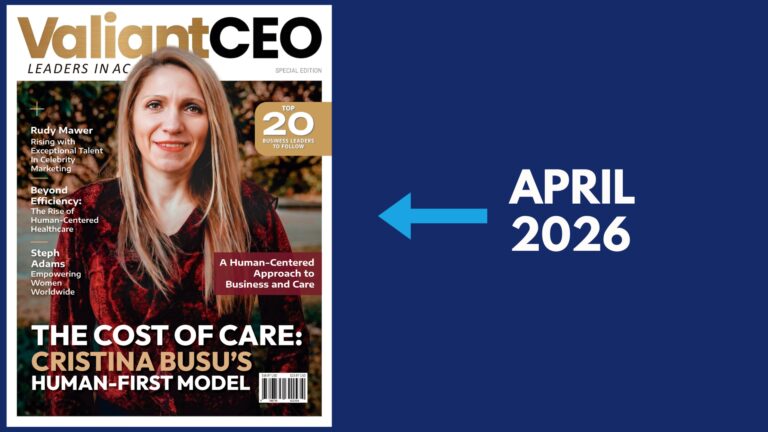




Getting featured in a business magazine is rarely about luck. It usually comes down to preparation. Editors sort through hundreds of pitches every week, and the founders who get noticed are not always the best known. More often, they are the ones who are ready when the opportunity appears. In 2026, a well-built media kit is one of the most useful assets a founder can bring to that process.
What a Media Kit Actually Does for Founders
A lot of founders treat a media kit like a pitch deck or a company overview. It is not the same thing. A media kit exists specifically to make it easy for journalists to cover your business without forcing them to chase you for basic details.
A good way to think about it is this. Your media kit should answer the obvious questions before a journalist has to ask them. When it is done well, it removes friction between initial interest and a published story. It gives editors the context, assets, and framing they need so they can move quickly.
What Belongs in a One-Page Founder Media Kit
Brevity matters. Editors are not looking for a long document. A one-page media kit should include the following elements, laid out clearly and without unnecessary clutter:
- Founder bio: 80 to 100 words, written in third person and focused on expertise and results instead of job titles
- Company snapshot: what the business does, who it serves, and what sets it apart, in three sentences or fewer
- Key data points: revenue milestones, user numbers, market reach, or growth figures that show real traction
- Story angle: a one-line editorial hook that tells the journalist why this story matters now
- High-resolution headshot: a professional photo that editors can use immediately without requesting another file
- Contact details: a direct email address, not a generic press@ inbox
To understand how founders are profiled in business magazines, it helps to study published features and pay attention to the hook. In most cases, the story is built around a specific moment, a bold decision, or a shift in the market, not a broad career summary.
Building the Story Angle That Editors Actually Want
This is where many media kits fall short. Founders naturally want to talk about themselves. Editors are looking for stories their readers will care about. Those are different goals, and the gap matters.
A strong story angle connects the founder’s experience to a trend, a tension point, or a question that is already on the audience’s mind. For example, if a founder scaled a logistics company during supply chain disruption, that is not just a company success story. It is also a useful way into a bigger industry issue that readers already recognize.
Crafting a compelling founder story angle means figuring out what is genuinely distinctive about the founder’s path. It is not about what sounds impressive in a boardroom. It is about what would make a reader pause, get curious, and keep going.
The Pitch Email That Opens Doors
A media kit without a pitch email is a door with no handle. The email is what gets the kit opened in the first place. Relevance is everything here. In fact, 79% of journalists who don’t respond cite it as their primary reason. That is why a tailored story angle in your media kit is not optional.
A pitch email that works usually follows a simple structure:
- Subject line: specific and story-led, not promotional
- Opening line: reference the publication and explain why the story fits its coverage
- The hook: one or two sentences that deliver the story angle
- The credibility signal: one data point or milestone that shows the founder is worth covering
- The ask: clear and low-friction, such as a 20-minute call or a link to the full media kit
If you look at a real-world example of a founder magazine feature, one thing stands out quickly. The editorial framing carries much of the story. The feature is built around a journey and a turning point, not a long list of accomplishments.
Putting It Into Practice in 2026
The media landscape has changed. Editors are working faster, often with smaller teams and tighter publishing schedules. Founders who show up with a complete, well-structured media kit signal professionalism before the first line of the pitch is even read.
Digital visibility matters beyond traditional print as well. Founders who build credibility across different channels, from editorial coverage to industry forums to online communities, tend to strengthen recognition over time. The same idea applies in fast-moving digital sectors too. In the Dutch online entertainment market, for example, platforms that aggregate and review digital services, such as the casino comparison site casinojager.com, show how structured, credible content can build trust in a crowded category. Whether the subject is a founder profile or a product review, the principle is the same. Clarity, consistency, and relevance are what earn attention.
In 2026, the founders who get featured are the ones who make an editor’s job easier. A focused media kit, a sharp story angle, and a well-crafted pitch email are not extras. They are the starting point.