


When a crisis strikes Lebanon, willingness to help is rarely in short supply. The Lebanese diaspora sends an estimated $6 billion to $7 billion home each year, equivalent to roughly a third of the country’s GDP, according to Wired Middle East, which cites UNDP figures. That flow represents something deeper than charity. It is a connection to a homeland many left involuntarily.
But for a donor sitting thousands of miles away, the question of where to send money is surprisingly difficult to answer. The problem is rarely generosity. It tends to be trust. Sending $200 from the United States to Lebanon costed $22.56 in the third quarter of 2025, or 11.28 percent of the amount transferred, according to Credit Libanais, which cites World Bank data. That makes it one of the most expensive remittance corridors from the US.
Beyond cost, donors face questions about legitimacy, fund allocation, and reporting. They want to know that money reaches the people who need it, and they often have limited ways to verify that it does. Those questions are not resolved through good intentions. They require infrastructure that most donors cannot build alone.
That gap is where the conversation usually stops. A donor can choose a large international organization with name recognition, or a smaller local group with no verifiable track record. Both options carry uncertainty. The first may be several steps removed from the community. The second may be impossible to assess from abroad. Neither offers the visibility donors say they want.
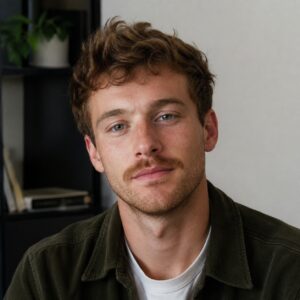
Salim Michel Makhlouf built Yalla Nour to answer that question. Born in Lebanon and raised in the United States from the age of five, he watched his homeland pass through successive crises. The Beirut port blast was the trigger that moved him from wanting to help toward building something that could. His model is not another aid organization running its own programs. Yalla Nour is infrastructure.
It vets NGOs already operating in Lebanon, requires them to meet strict criteria, and provides the financial bridge that gets donor money to those partners at lower cost than individual transfers. The distinction matters. Local organizations know what their communities need. Makhlouf says, “I don’t have the ability to start an organization on the ground in Lebanon. I am also not arrogant enough to think I know what people need. It is better for them to come with their needs.”
The vetting process is specific. Every dollar raised is restricted to the campaign it was intended for. Partners must accept oversight on every disbursement, an IRS requirement for a US-registered 501(c)(3). They cannot use funds for lobbying, political parties, or elections, and they cannot distribute aid on a partisan or sectarian basis. They must maintain dedicated accounting and report on a consistent schedule, within 30 days of a short-term project’s closing. Yalla Nour also retains the right to audit and, if necessary, claw back funds that were misused.
The financial model is deliberate. Makhlouf covers administrative costs through his business, including marketing, website, and transfer fees. When a donor gives a dollar to a campaign, the partner receives that full dollar, not 80 or 90 cents of it. Transfers run through a bank relationship that sends funds by direct deposit, avoiding the high fees on both ends that services like Western Union often carry.
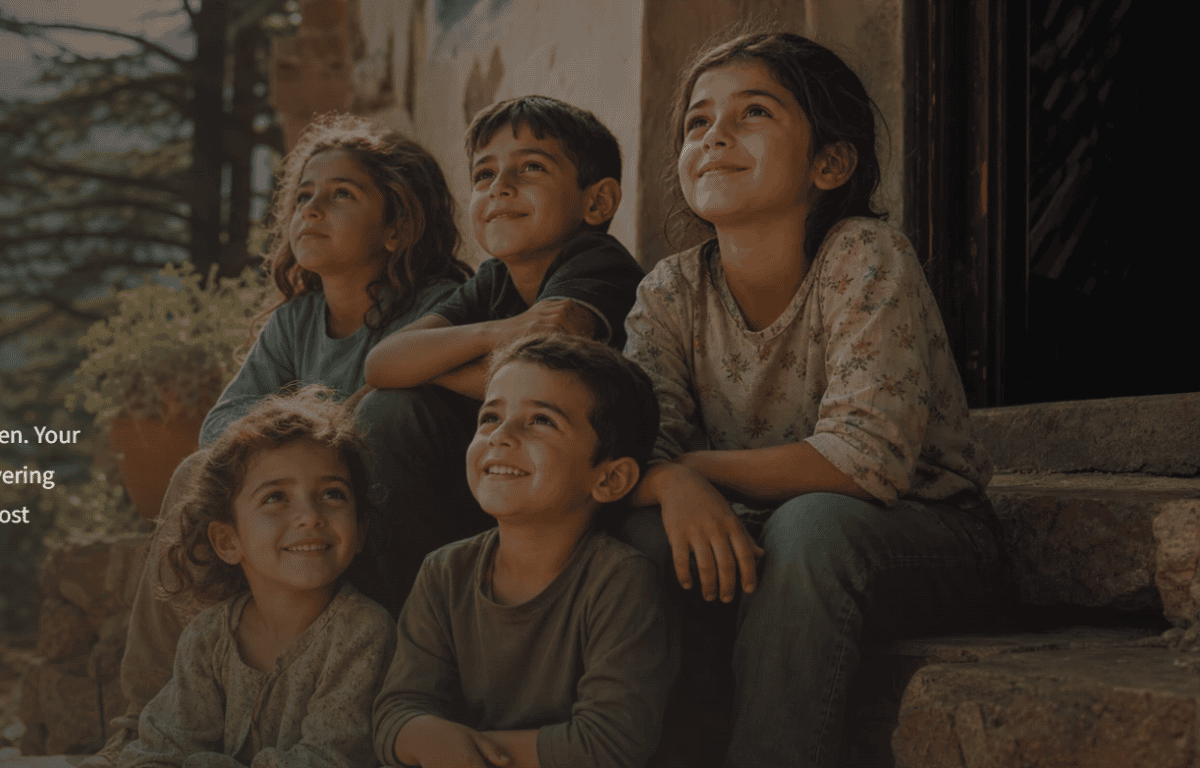
Yalla Nour’s Warmth for Winter Campaign directly addresses the current need for affordable heating fuel when diesel for heating is priced beyond reach for many families in the mountain communities. A 20-liter can may cost millions of Lebanese pounds, and homes rely on it through the coldest months. Getting every cent of every donation directly impacts how these families survive the winter months.
Why work with existing organizations rather than build his own? Makhlouf points to two models. A friend who started a nonprofit for soup kitchens in Colombia raised funds for organizations already established rather than creating new ones. The United Way, where Makhlouf served on the board, operates on the same principle, which is to support local organizations that already understand their neighborhoods.
For Makhlouf, that infrastructure also answers a personal question. Many Lebanese emigrants left amid war, instability, or economic hardship, creating generations whose connection to Lebanon has continued long after they left. Yalla Nour is his way of turning that connection into something practical. But the larger lesson extends beyond one organization: generosity can move money; trust determines whether that generosity becomes sustained impact.