



Senior care is moving into the home at a pace that few health systems were designed to support. Families increasingly want their loved ones to age in place with dignity, familiarity, and continuity. Yet across the industry, the dominant conversation continues to revolve around staffing shortages, as if headcount alone can solve a deeply structural challenge.
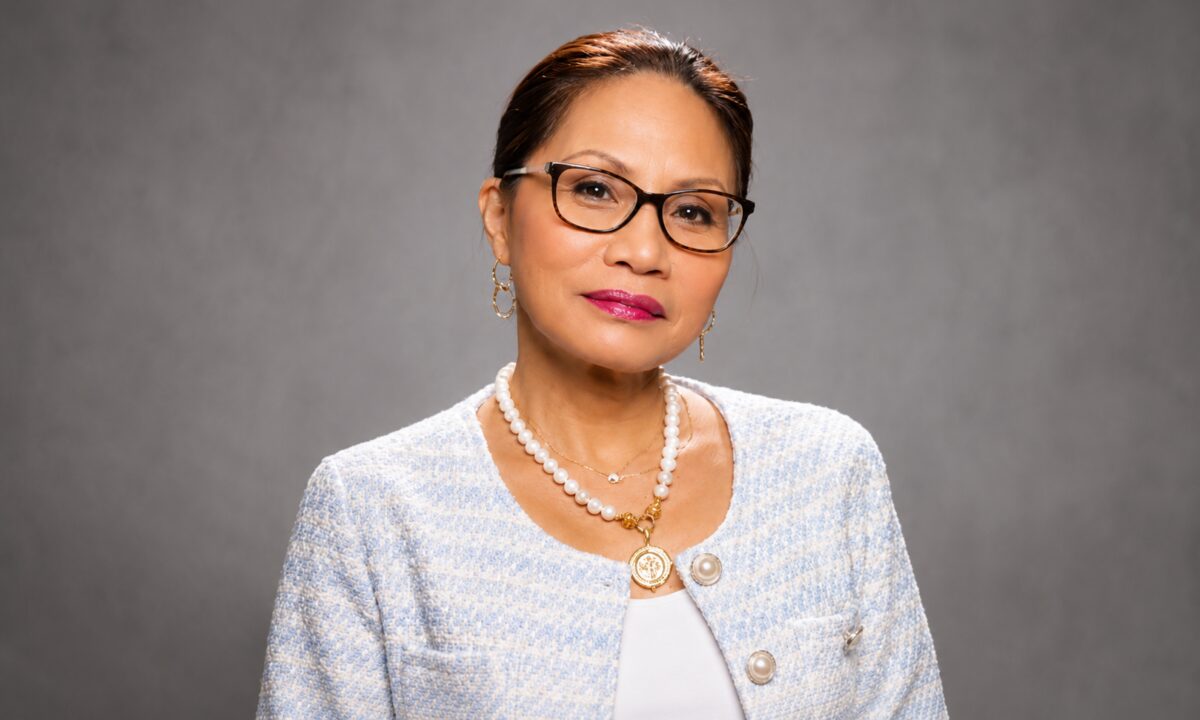
Florissa Maher, founder of Loyal Care Agency, believes this framing misses the point. In her view, the real issue is not the number of caregivers. It is the absence of a care infrastructure that can deliver consistent, specialized, and dignified support at scale.
“The future of care will not be determined by how many people you can hire,” Maher says. “It will be defined by how well you build systems that people can trust inside their own homes.”
Maher believes her perspective emerges at a critical moment. Demographic pressures are intensifying as aging populations grow and the prevalence of chronic conditions such as dementia continues to rise. At the same time, she notes, hospitals are discharging patients more quickly, shifting responsibility to families and home-based providers. “Agencies are often caught in the middle of this shift, expected to deliver higher levels of care while navigating workforce strain and operational complexity,” she adds.
For Maher, these pressures reveal a deeper truth about the industry’s evolution. Home care is no longer a peripheral service. It is becoming a central pillar of the care continuum. Yet many providers still operate with models built for a different era.
“Care has been treated like a staffing problem for too long,” she explains. “When you reduce it to filling shifts, you lose sight of what families are actually asking for. They are asking for stability, clinical awareness, and dignity in the most personal setting possible.”
Loyal Care Agency was built around a different premise. Maher describes it as a care infrastructure company rather than a traditional provider. The distinction is intentional. Instead of focusing solely on caregiver placement, the model integrates licensed oversight, specialized training, and a values-driven approach to service delivery.
This includes structured training programs designed to prepare caregivers for complex needs, particularly in areas such as dementia care. It also emphasizes continuity, ensuring that clients and families interact with consistent caregivers who understand their routines, preferences, and medical considerations.
“Trust is built through repetition and reliability,” Maher says. “Families need to know that the person walking through their door understands both the clinical and human dimensions of care.”
The emphasis on training and oversight also addresses one of the industry’s most persistent challenges: caregiver retention. High turnover has long undermined continuity of care and increased operational costs for agencies. Maher argues that retention improves when caregivers are treated as skilled professionals within a structured system rather than interchangeable labor.
“When caregivers feel supported, trained, and respected, they stay,” she notes. “That stability translates directly into better outcomes for clients.”
Maher points to her own experience building Loyal Care Agency as evidence that a value-led model can scale without sacrificing quality. By investing in training, supervision, and culture, the organization has developed a framework that aligns operational efficiency with human-centered care.
This alignment becomes especially critical in cases involving cognitive decline. Dementia care, for example, requires more than basic assistance. It demands a nuanced understanding of behavior, communication, and safety. Without proper training and oversight, even well-intentioned caregivers can struggle to provide effective support.
“In dementia care, small details make a profound difference,” Maher says. “How you communicate, how you respond to confusion, how you maintain a sense of dignity. These are not instinctive skills. They must be taught and reinforced.”
The broader implication of Maher’s approach is a shift in how the industry defines scale. Traditional models often equate growth with geographic expansion or workforce size. Maher argues that the next phase of growth will be defined by the ability to replicate trust across locations and teams.
“Scaling care is not about getting bigger,” she explains. “It is about making sure that every client, in every home, receives the same standard of thoughtful, well-supported care.”
This perspective is particularly relevant as Loyal Care Agency explores franchising and investment opportunities. For Maher, expansion is not simply a financial objective. It is a way to extend a proven model into new communities while maintaining the principles that define it.
“Investors and partners are starting to recognize that trust is an asset,” she says. “It is measurable in retention, in outcomes, and in the relationships you build with families.”
The concept of trust as infrastructure challenges conventional assumptions about the home care market. It suggests that long-term success will depend less on volume and more on consistency, specialization, and accountability.
Maher believes this shift is already underway, driven by families who are more informed and more discerning about the care they choose. As expectations rise, agencies will need to demonstrate not only availability, but competence and integrity.
“Families are asking deeper questions,” she says. “They want to understand how caregivers are trained, how care is supervised, and how decisions are made. That level of scrutiny is a positive force for the industry.”
Looking ahead, Maher sees an opportunity to redefine what home care can achieve. By integrating clinical insight, structured training, and a strong ethical foundation, agencies can deliver care that supports both medical needs and quality of life.
“The home is where care becomes personal,” she reflects. “If we build the right systems around it, we can create an experience that honors both the individual and the family.”
Her conclusion is direct and grounded in experience. The industry does not need incremental adjustments. It needs a reorientation toward models that prioritize trust as a core capability.
“The future of home care will not be won by the biggest operator,” Maher says. “It will be won by the one that earns trust every single day and knows how to scale it without ever losing sight of dignity.”

