



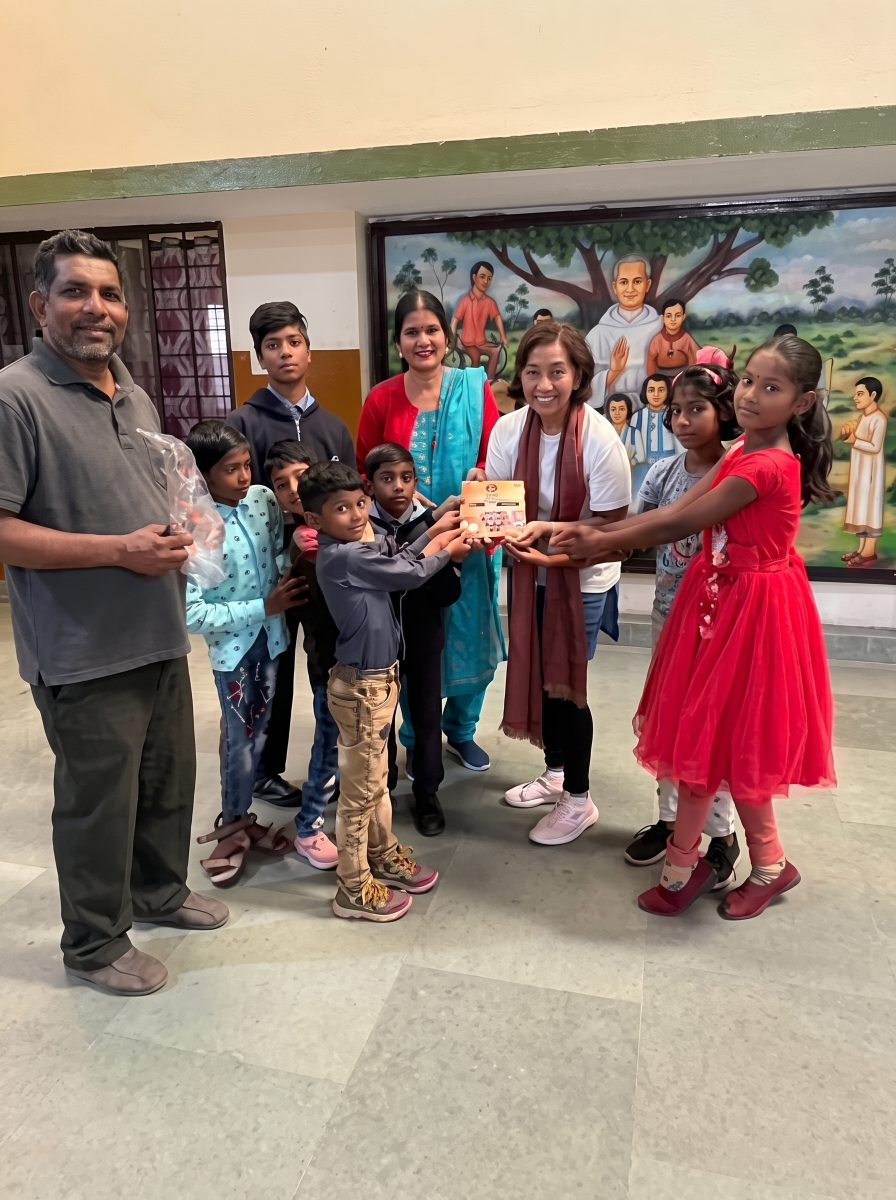
Poverty is often defined by income, but the obstacles that keep people in poverty go beyond financial hardship. When children cannot attend school, their future opportunities may be limited, making it more difficult for families to escape the cycle of poverty.
This issue is particularly severe in low-income countries. The UN Statistics Division reports that 36% of school-age children and young people in low-income countries are out of school, compared with just 3% in high-income countries. These figures highlight the considerable inequality in access to education and the challenges disadvantaged families face in finding a way out of poverty.
For girls, these obstacles can be even more difficult to overcome. Financial difficulties, social expectations, and early marriage can disrupt their education and limit their independence. According to UNICEF, nearly four in 10 adolescent girls and young women worldwide do not complete upper secondary education. Without the chance to finish school, many face greater difficulties developing skills, securing employment, and making independent decisions about their futures.
I have come to understand poverty as an issue of opportunity as much as income. Financial assistance can help families address their immediate needs, but people also require access to education, healthcare, reliable infrastructure, and opportunities to improve their circumstances. Without these essential resources, building a better life becomes much more challenging.
Girls’ education plays a vital role in addressing these challenges. Schooling allows girls to gain knowledge and develop skills that can help them pursue further education or employment. It can also increase their understanding of their rights and give them more choices when deciding their future paths.
Access to education becomes particularly important when girls face pressure to marry early, a practice that can occur in some cultural and social settings. A girl who continues her education has more time to develop her abilities and explore different opportunities in life. Although education cannot eliminate every economic or social barrier, ensuring that girls can attend and complete school is an important step towards expanding their choices.
The benefits of education can reach far beyond the individual. An educated girl may eventually contribute to her family’s income, encourage her children’s learning, and participate more actively in her community. These benefits are not guaranteed, as they also depend on the availability of other opportunities. However, when education is supported by access to employment and essential services, it can contribute to better living conditions across generations.
For this reason, efforts to reduce poverty must extend beyond immediate financial assistance. Communities need accessible schools, healthcare facilities, and the infrastructure necessary to provide essential services. Local organizations often have a deeper understanding of the specific challenges within their communities. Their involvement is therefore important in identifying needs and determining which projects will have the greatest impact.
Donors also deserve to understand how their contributions are spent and what those funds accomplish. My experience with these projects has taught me the importance of dividing initiatives into clear stages, each with a defined purpose and budget. Releasing funds as individual stages are completed makes progress easier to monitor and helps ensure that resources are managed responsibly. This level of transparency can strengthen trust and encourage donors to continue supporting the work.
For organizations operating across borders, partnerships with local groups can connect community needs with resources from other parts of the world. However, funding decisions should be guided by clearly established priorities rather than assumptions about what communities require. I believe sustainable progress depends on local knowledge, community participation, and the ability to maintain projects long after the initial funding has ended.
The goal should not simply be to help people cope with poverty, but to expand the opportunities available to them. This means strengthening the systems that enable children to learn, ensuring families can access essential services, and helping communities develop the resources they need for the future. I believe this is an important way to work towards addressing poverty in a lasting and sustainable manner.
Educating girls is a meaningful place to begin. A girl who completes her education has a greater chance of pursuing opportunities that might otherwise remain beyond her reach. With access to further education, employment, and supportive community systems, she may be better equipped to shape her future and make a positive contribution to those around her.
No single organization can eradicate global poverty on its own. However, investing in education and the infrastructure that supports it can help remove some of the barriers preventing disadvantaged communities from progressing. The objective should be to provide more than temporary relief. It should be to establish the conditions that give people a fairer opportunity to build secure and fulfilling lives.
Every family deserves the opportunity to create a better future. Together, we can help break the cycle of poverty through education—one child, one family, and one future at a time. Will you help us bring this opportunity to another family?
About the Author:
Joey Cecilia del Prado is the founder and president of Foundation for the Poor Inc., a 501(c)(3) organization. With experience in corporate leadership, education, and humanitarian work, she collaborates with partner organizations in countries such as India, Cameroon, the Philippines, Moldova, Nigeria, and Kenya. Her work focuses on supporting school construction, skills training, and providing essential resources to underserved communities. Through the foundation, she also supports rehabilitation, shelter, and meal programs that help children and families affected by poverty gain access to education and build more stable futures.

