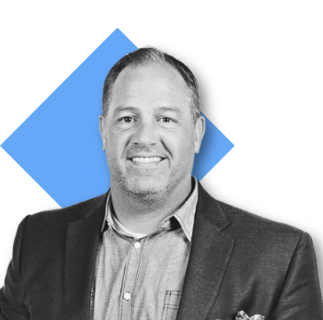
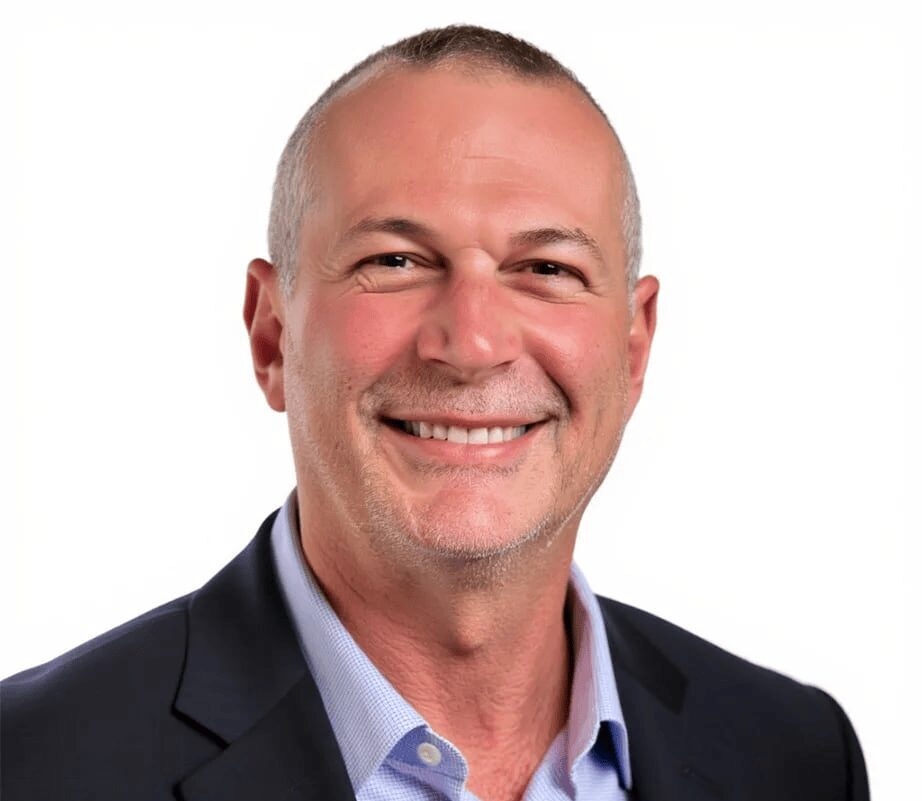
I’m an OB/GYN and surgeon specializing in cosmetic gynecology, women’s sexual health, hormone therapy, and complex intimate conditions. At Intimate Health Center, my focus is on helping women improve function, comfort, confidence, and quality of life.
My clinical work has also taught me something important: what happens after surgery can shape a patient’s experience just as much as the procedure itself.
That interest led me into healthcare innovation. I’m developing digital recovery tools to improve patient education, communication, and support throughout the surgical journey. I’m also a co-founder of Credentiable, an AI-powered platform designed to simplify provider credentialing.
Beyond clinical practice, I host Womens Health and Beyond, a podcast where we explore the questions, advances, and sometimes uncomfortable conversations surrounding women’s health and sexual wellness.
Company: Intimate Health Center
We are thrilled to have you join us today, welcome to ValiantCEO Magazine’s exclusive interview! Let’s start off with a little introduction. Tell our readers a bit about yourself and your company.
David Ghozland: Hello!
I’m Dr. David Ghozland, a board-certified OB/GYN and founder of Intimate Health Center in Southern California. I’ve been practicing for over 20 years, and I started my clinic in 2005 with a simple belief: women deserve to feel comfortable talking about their bodies, even when the subject is difficult or embarrassing. My practice specializes in gynecology and cosmetic gynecology, and I’ve performed more than 7,000 procedures for patients from around the world. What I enjoy most about my work is getting to know my patients and helping them feel at ease with their decisions. These are very personal matters, and I never want someone to feel judged or rushed when talking to me. At the end of the day, I want every patient who walks through my door to feel heard, respected, and confident in their care.
What was the moment you realized that complexity was holding your company back, and how did that shift your approach to product, operations, or strategy?
David Ghozland: One turning point was realizing that patients considering our services often needed more time to discuss their concerns than a standard consultation allowed. They were weighing personal decisions, sometimes after years of feeling uncomfortable bringing them up, and too much medical terminology or too many options could make that harder. I became more deliberate about explaining what a procedure could realistically achieve, what the risks were, and when surgery might not be the right choice. That has shaped how I run my practice where I would rather a patient leave with a clear understanding of her options than feel pressured to make a decision during one visit.
Can you share one specific example of something you simplified (a product feature, process, pricing model, or customer experience) that delivered outsized results?
David Ghozland: I replaced the initial phone intake with a private written pre-consult form to remove the shame barrier for patients discussing intimate health concerns. This change allowed me to review their specific medical history and emotional state before they even walked through the clinic doors. Our booking conversion rate jumped by thirty four percent while cancellations dropped by nearly half over twelve months. Patients reported feeling significantly more prepared and less intimidated because they no longer had to repeat sensitive details to front desk staff.
How do you systematically identify and eliminate complexity across the organization without oversimplifying in ways that hurt quality or value?
David Ghozland: I pay attention to where patients repeatedly get confused, ask the same questions, or leave consultations unsure about their next steps. Those moments tell me where our process needs work, whether that means explaining something differently or making communication clearer between appointments. However, I would never simplify a medical decision just to save time, because the details can affect a patient’s safety and expectations. My standard is simple. If a change makes the process easier but leaves a patient less informed, it is not an improvement.
What’s the biggest resistance you’ve faced when pushing for radical simplicity, and how did you overcome it?
David Ghozland: The hardest part is resisting the temptation to explain every possible outcome during a consultation, especially when a patient arrives with information from several online sources and expects me to address all of it at once. In medicine, leaving out a detail can create false expectations, but explaining everything at once can make it harder for someone to make a decision. I’ve learned to separate what a patient needs to know before deciding from what we can discuss as their care progresses. That way, I’m not removing the medical detail rather I’m making sure it reaches the patient at the point when it is most useful.
For other CEOs who struggle with feature bloat, process overload, or confusing customer journeys, what’s the most important principle or first step you would recommend they take?
David Ghozland: I’d tell them to look at the questions customers keep asking, because repeated confusion is often a sign that something in the process is not working. In my practice, if a patient needs three explanations to understand a decision, I have to ask whether I’m explaining it poorly or making the process harder than it needs to be. The same applies to any business: before adding another feature or procedure, identify what is causing friction and fix that first. You don’t need to remove everything that makes your business thorough; you need to remove what makes it unnecessarily difficult for people to get what they came for.