



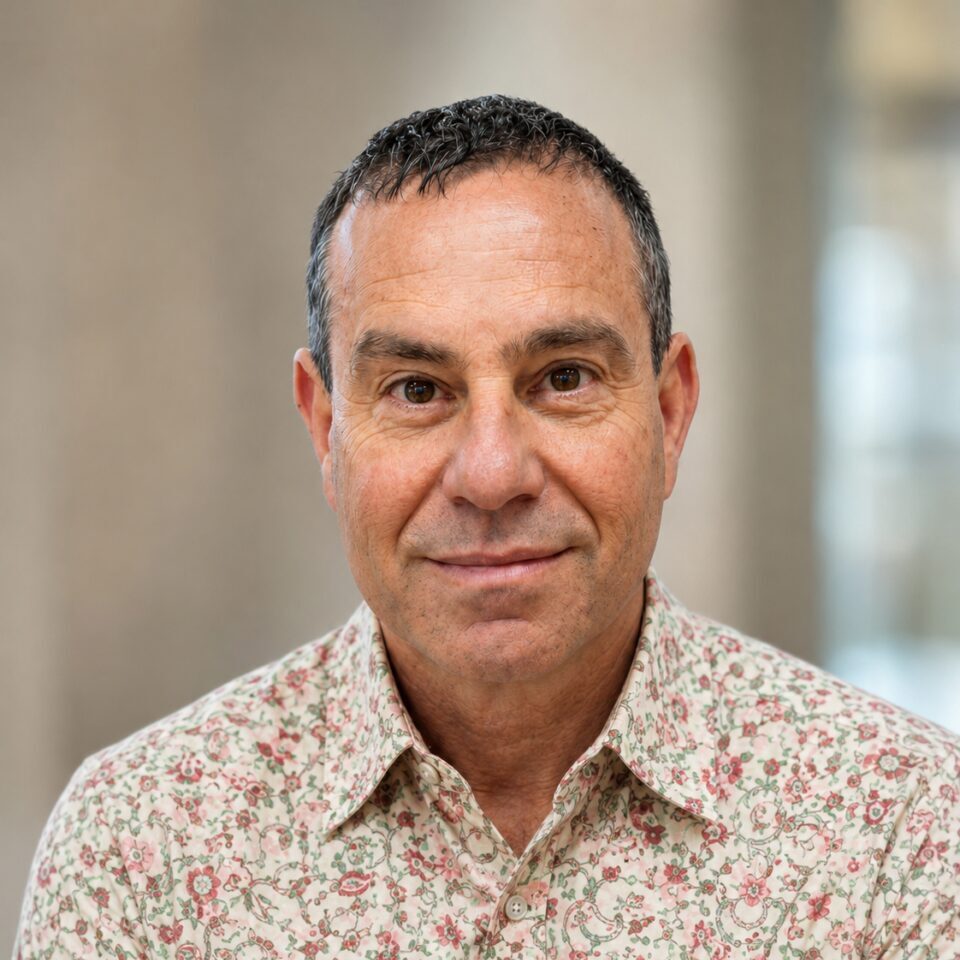
Jeff has managed Capacity since its inception in 1999, guiding innovation in fulfillment technology and customer satisfaction. He brings a combination of engineering knowledge and passionate leadership, overseeing steady growth throughout the company’s 21-year history. Jeff works closely with Operations and Engineering to craft and deploy unique technology and materials handling solutions. Prior to founding Capacity, Jeff served as Sr. Consultant at Sigman/Kaiden Consultants, working with major corporations around the U.S. to develop and implement warehouse designs and material handling solutions, including an innovative design for the launch of Fresh Direct in NY. He also worked as PM on the design, financial modeling, development and construction of private sector infrastructure projects in Southeast Asia with Hopewell Holdings Ltd. and the Keppel Group. Jeff holds a degree in Civil Engineering and Operations Research from Princeton University.
Company: Capacity 3PL
We are thrilled to have you join us today, welcome to ValiantCEO Magazine’s exclusive interview! Let’s start off with a little introduction. Tell our readers a bit about yourself and your company
Jeff Kaiden: I’m Jeff Kaiden, founder of Capacity. We do fulfillment (storing, packing, and shipping products) for beauty, skincare, cosmetics, fragrance, and health and wellness brands. Roughly 1,000 employees, facilities in the U.S., the UK, and India. We started the company in 1999.
When we started, there were just a few of us working here, and we did just about every job. Operations, technology, finance, whatever needed doing. The company looks very different now, but the work is basically the same.
You have people, inventory, buildings, software, transportation, and thousands of small decisions that all have to fit together. When they do, nobody notices. When they don’t, everybody does.
If you were in an elevator with Warren Buffett, how would you describe your company, your services or products? What makes your company different from others? What is your company’s biggest strength?
Jeff Kaiden: I’m not sure Warren Buffett wants to spend his elevator ride hearing my sales pitch.
But if he asked, I’d tell him Capacity helps growing consumer brands solve the operational problems that come with success.
Shipping a few hundred orders a day is one thing. Shipping direct-to-consumer while also supplying Sephora and Ulta, handling routing guides that run hundreds of pages, dealing with hazardous materials like fragrance is different. Complex solutions are where we do our best work.
As for our biggest strength: we’ve been in business 25 years, and we’re still privately owned. Most of our competitors have been acquired or consolidated. We haven’t. That means when a customer needs something, the team can make the call based on what’s actually right for them, not what a board wants.
Quiet quitting, The Great Resignation, is an ongoing trend causing many businesses to struggle to keep talent engaged and motivated. Most are leaving because of their boss or their company culture. 82% of people feel unheard, undervalued, and misunderstood in the workplace. In your experience, what keeps employees happy? And how are you adapting to the current shift we see?
Jeff Kaiden: Our retention numbers are strong. We have team members who have been with us 20 years, and our warehouse retention is above the industry average. We’re Great Place to Work certified. The Great Resignation hasn’t really been our experience.
Part of what I think matters: we’re one team. That sounds like a slogan, but I mean it. I don’t spend all my time in executive huddles. I try to be out in the warehouse, in marketing, in engineering, wherever the work is actually happening. I have a lot of respect for what happens on the floor, because that’s what we sell.
The other piece is investing in the actual conditions of the work. A few years ago, we spent about $250,000 renovating the restrooms across our facilities. Large, spacious, bright, well ventilated. It sounds like a small thing, but if you’re asking people to spend eight or ten hours a day in a building, things like that matter.
Online business keeps on surging higher than ever, B2B, B2C, online shopping, virtual meetings, remote work, Zoom medical consultations, what are your expectations for the year to come and how are you capitalizing on the tidal wave?
Jeff Kaiden: E-commerce isn’t really a tidal wave anymore. It’s been around long enough that I think we can all say it’s just water at this point.
The wave was years ago, when high-speed internet became ubiquitous and the barrier to setting up shop online basically disappeared. iPhone plus Shopify plus a celebrity endorsement equals a viable brand overnight.
What’s interesting is what comes next. TikTok Shop required new strategies. AI is going to change how people discover and buy things, which will probably require new solutions again.
Our job is less about riding some wave and more about paying attention to what consumers are doing and how we can help brands keep up without operations getting in the way.
Business is all about overcoming obstacles and creating opportunities for growth. What do you see as THE real challenge right now?
Jeff Kaiden: Figuring out which opportunities are worth pursuing and which ones are expensive distractions.
Large companies can spend $100 million on an experiment and walk away if it doesn’t work. We can’t. So you have to be disciplined about where you invest.
I’ve never considered myself an out-of-the-box innovator. I’m a fast follower. Pay attention and when something becomes genuinely useful, move quickly.
The test I use: does a new technology improve an existing process in a measurable way? Faster, better, cheaper, more accurate? That’s where we focus.
Take a recent example of how we’ve used AI. Retailer routing guides run hundreds of pages, update constantly, and mistakes turn into chargebacks. We use AI to read the guides and flag changes. It’s not cutting edge, but it fixes a real problem. That’s the kind of thing worth doing. I don’t think of it as an AI project. It’s an operations project that happens to use AI.
In your experience, what tends to be the most underestimated part of running a company? Can you share an example?
Jeff Kaiden: How much your job changes as the company changes.
You’re a different CEO at 1 million in revenue than you are at 50, or 200 million. Early on, my co-founders and I did everything. Somewhere along the way we hit an inflection point where we could hire great people and suddenly, I could hand things to people who did them better than I did. That allowed the company to move faster.
On a lighter note, if you had the ability to pick any business superpower, what would it be and how would you put it into practice?
Jeff Kaiden: I’d want to know which problems are going to matter two years before everybody else realizes they’re problems.
One of the frustrating parts of this industry is that once a problem is obvious, it’s usually expensive. It would be great if we could have a solution built before the customer even knew they needed it.

