
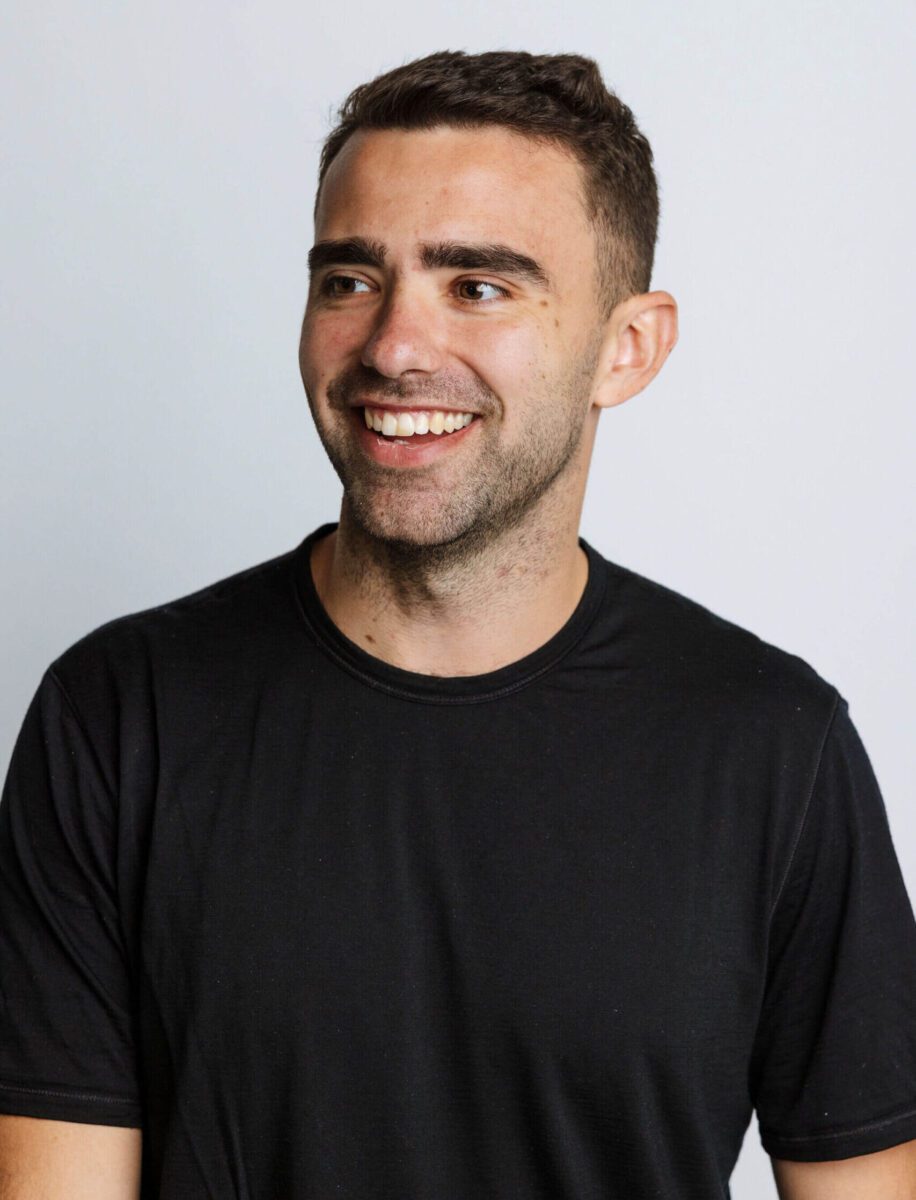
Cameron Botes is the creator of BizBud. It is an accounting and tax firm designed for entrepreneurs, digital nomads, influencers, and content creators who operate across borders. BizBud began as a solo endeavor and grew into an entire team of CPAs and advisors, serving hundreds of clients around the world.
Company: BizBud
We are thrilled to have you join us today, welcome to ValiantCEO Magazine’s exclusive interview! Let’s start off with a little introduction. Tell our readers a bit about yourself and your company
Cameron Botes: I am Cameron Botes, a Tax Advisor at BizBud LLC. We specialize in accounting, bookkeeping, and tax strategy for content creators, influencers, YouTubers, photographers, TikTok creators, and digital nomads. Traditional CPAs often build their work around one country and one paycheck, but our clients earn from multiple platforms, brand deals, and countries. So we handle cross-border tax issues like FBAR, FEIE, tax treaties, and foreign-owned US LLCs, along with monthly bookkeeping and year-round tax planning.
What was the initial spark that motivated you to take on an industry dominated by giants, and how did you identify a viable opportunity to compete?
Cameron Botes: The initial spark came from repeatedly seeing creators and digital nomads fail inside a tax system built for a single-country paycheck. A YouTuber might earn ad revenue from one country, sponsorship money from another, and affiliate income from a third, while a traditional CPA only knows how to handle a W-2 or a simple small business return. I met people who were overpaying, missing deductions, or risking double taxation because no one had explained FBAR, FEIE, and tax treaty forms in plain language. The giants were not ignoring a trend. They were ignoring a specific customer with a specific set of cross-border compliance needs that their firms were not structured to handle.
I identified a viable opportunity because that pain was recurring, high-stakes, and underserved. Creators and digital nomads do not need a general accountant. They need someone who understands platform payouts, brand deals, multiple currencies, foreign-owned US LLCs, and the filing rules that apply when they live and earn across borders. That narrow, painful, repeated problem gave BizBud a clear customer to serve and a clear reason to exist.
Can you describe the most critical strategy or innovation you implemented to differentiate your business from the industry leaders and gain traction?
Cameron Botes: Our most critical strategy was to replace one-time tax filing with a subscription model that combines monthly bookkeeping, year-round cross-border tax planning, and clear filing guidance for every jurisdiction our clients touch. Instead of clients showing up once a year with a shoebox of receipts, we took over their books every month, reviewed platform payouts and brand deals, and planned FBAR, FEIE, and treaty filings before deadlines arrived. That turned tax work from a reactive scramble into proactive financial management.
This differentiated us because industry leaders sell compliance hours and seasonal returns, while we sell ongoing financial clarity for creators with multi-country income. The subscription model gave clients predictable costs and gave BizBud recurring revenue, which let us invest in specialized training, better systems, and faster client support. It also created a deeper relationship because we were involved all year, not just at filing time.
How did you handle the resource disparities such as funding or market access when going up against much larger competitors?
Cameron Botes: We handled resource disparities by competing on specialized expertise and trust rather than on scale or advertising budgets. Larger competitors could outspend us on marketing and hire more general staff, but they could not easily match our depth in creator income streams, tax treaties, FBAR, FEIE, and foreign-owned US LLC compliance. We built referral relationships with creators, photographers, and digital nomad communities who valued that focus.
Instead of trying to be everywhere, we became the firm that understood their exact problems. That reputation brought clients through the door without needing giant-level funding. We also kept our overhead lean and invested in the areas that mattered most, which were specialized knowledge, documented workflows, and responsive service. Those advantages are hard for a large general firm to copy quickly because they require a real commitment to the niche.
What was the biggest setback or direct confrontation with an industry giant, and how did you turn it into a turning point for your success?
Cameron Botes: The biggest setback was when a larger firm tried to win our clients by offering lower fees and a broader service menu. That moment forced us to decide whether to compete on price or on value. We chose value by doubling down on client education, proactive cross-border planning, and fast answers to complex questions. We also made sure our clients understood the real cost of cheap general accounting, which often shows up later as missed deductions, penalties, or double taxation.
We turned it into a turning point because our clients saw that the lowest fee was not the lowest cost. The confrontation clarified our positioning. We were not the discount option. We were the specialist option for creators and digital nomads, and that clarity helped us attract better-fit clients and stronger referrals. It also gave the team confidence that our niche expertise was the real competitive advantage.
What’s one mindset or principle that kept you grounded while taking on industry titans, and how can other founders adopt it to compete?
Cameron Botes: The principle that kept me grounded was to own one narrow problem completely and let the giants have the general market. I reminded myself that BizBud did not need to be everything to everyone. We needed to be the best choice for creators and digital nomads who earn across platforms and borders. That focus kept us from chasing every opportunity and helped us say no to wrong-fit clients.
Other founders can adopt this by defining the exact customer and painful recurring problem they solve better than anyone else, then building every process, hire, and message around that focus. When you try to match a giant on breadth, you lose. When you beat a giant on depth for a specific customer, you win. That mindset keeps you disciplined, grounded, and clear about why clients should choose you.