
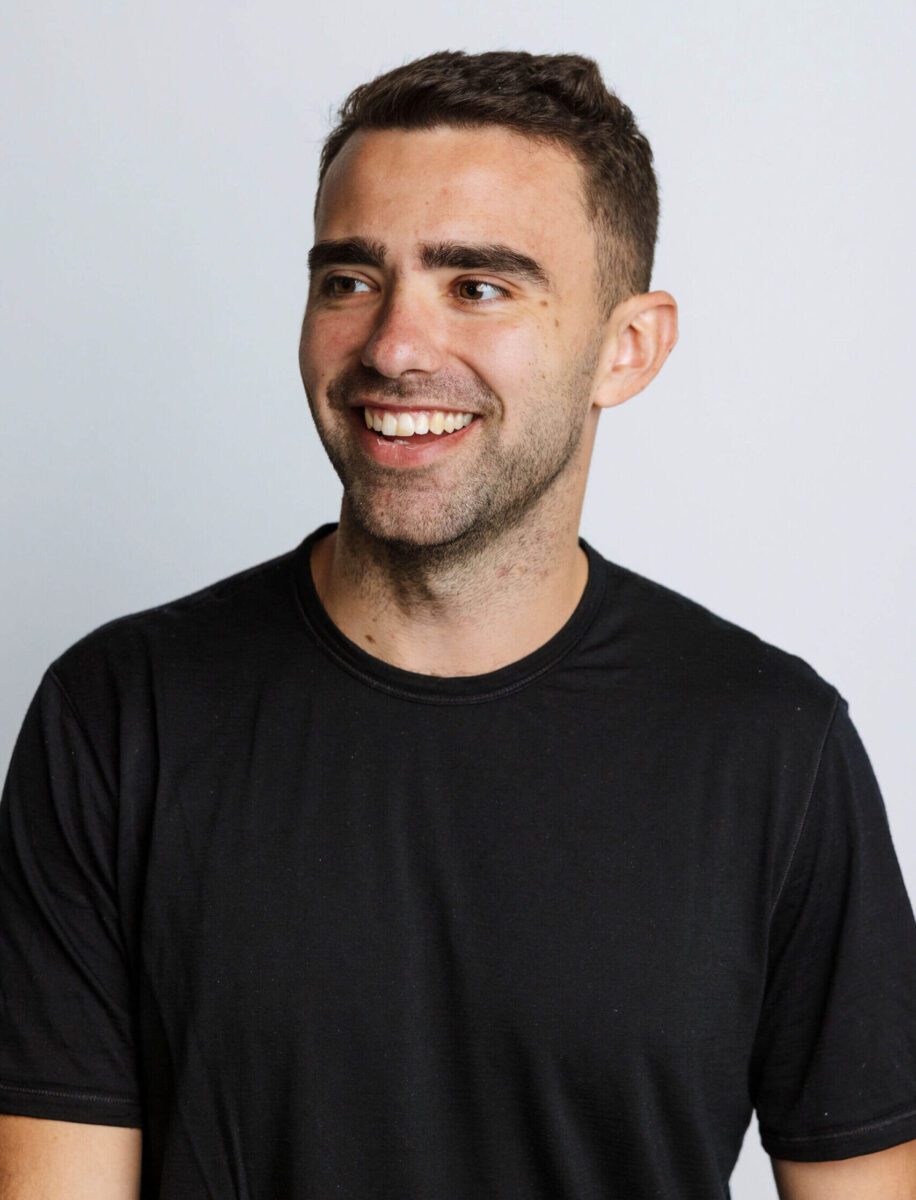
Cameron Botes is the creator of BizBud. It is an accounting and tax firm designed for entrepreneurs, digital nomads, influencers, and content creators who operate across borders. BizBud began as a solo endeavor and grew into an entire team of CPAs and advisors, serving hundreds of clients around the world.
Company: BizBud
We are thrilled to have you join us today, welcome to ValiantCEO Magazine’s exclusive interview! Let’s start off with a little introduction. Tell our readers a bit about yourself and your company
Cameron Botes: I am Cameron Botes, a Tax Advisor at BizBud LLC. We specialize in accounting, bookkeeping, and tax strategy for content creators, influencers, YouTubers, photographers, TikTok creators, and digital nomads. Traditional CPAs often build their work around one country and one paycheck, but our clients earn from multiple platforms, brand deals, and countries. So we handle cross-border tax issues like FBAR, FEIE, tax treaties, and foreign-owned US LLCs, along with monthly bookkeeping and year-round tax planning.
What was the defining moment or challenge that prompted you to pivot your business model, and how did you recognize it was time for a change?
Cameron Botes: The defining moment was a YouTuber who came to us behind on filings, with income from ad revenue, sponsorships, and affiliate sales across multiple countries. A traditional accounting approach would have treated those as separate messy items, but the real issue was that no one had built a system for cross-border creator income. We recovered $28,000 in missed deductions and cleaned up the unfiled returns, but the bigger lesson was that this problem was not unique.
I recognized it was time to change when the same pattern appeared in client after client: multiple platforms, multiple currencies, brand deals, and confusion about FBAR, FEIE, and tax treaties. General small business accounting could not serve them well. So we pivoted from a broad practice to a specialized firm for creators and digital nomads. That clarity of focus was the change.
Can you walk us through the most significant change you made to your business model and the immediate impact it had on your company’s trajectory?
Cameron Botes: The most significant change was moving from filing-season, hourly tax work to a subscription model with monthly bookkeeping and year-round tax strategy. Instead of clients showing up once a year with a shoebox of receipts, we took over their books every month, reviewed platform payouts and brand deals, and planned cross-border filings before deadlines arrived. This turned tax work from a reactive scramble into proactive planning.
The immediate impact was predictable recurring revenue and better client outcomes. We could forecast cash flow, hire and train staff earlier, and stop cramming everything into tax season. Clients stayed longer because they got monthly reporting and clear guidance on FBAR, FEIE, treaty forms, and foreign-owned US LLC compliance. That subscription shift is what let us scale without sacrificing quality.
How did you convince your team, investors, or stakeholders to embrace such a dramatic shift, especially if it involved risk or uncertainty?
Cameron Botes: We did not have outside investors, so the people I had to convince were our team and our existing clients. I showed them evidence instead of arguing from vision. We shared the $28,000 recovery case, tracked how many clients had multi-country income, and let team members sit in on calls where creators described double taxation fears and missed deductions. Once the team heard those stories firsthand, the pivot felt less like a risk and more like the obvious next step.
For clients, I explained that the new model meant year-round support and a fixed monthly cost instead of surprise invoices. To reduce uncertainty, we piloted the subscription service with a small group before rolling it out fully. We measured retention, referrals, and client satisfaction during the pilot. When those numbers held strong, the team and clients embraced the change because they could see it working.
What was the biggest obstacle you faced during the pivot, and how did you overcome it to ensure the new model’s success?
Cameron Botes: The biggest obstacle was internal fear of walking away from stable general accounting revenue. Some of our existing small business clients did not fit the creator niche, and letting go of that work felt risky. I overcame it by running both models in parallel for a set period, setting clear metrics for the new subscription service, and committing fully once the pilot proved higher retention and stronger referrals. That parallel period gave us a safety net without diluting the pivot.
Operationally, we also had to retrain the team on cross-border rules like FBAR, FEIE, and tax treaty forms. I built checklists and review layers so quality did not depend on me alone. The obstacle was not just strategy, it was capability. Once the team could handle the new work consistently, the new model became sustainable and the old fear faded.
Looking back, what’s one key lesson from your pivot experience that you’d share with other CEOs considering a major business model shift?
Cameron Botes: The key lesson is to pivot around a specific, painful, recurring problem for a narrowly defined customer, not around a broad trend. We did not pivot because creators were popular. We pivoted because creators and digital nomads repeatedly faced the same tax failures: multi-platform income, cross-border confusion, double taxation risk, and missed deductions. That repeated pain gave us a clear problem to solve and a clear customer to serve.
For any CEO considering a major model shift, validate the new model with paying clients before you overhaul everything. Run a small pilot, measure retention and referrals, and only then commit. A pivot built on a real, repeated customer problem is far safer than one built on a forecast or a fashionable market. That is the lesson I would share.