
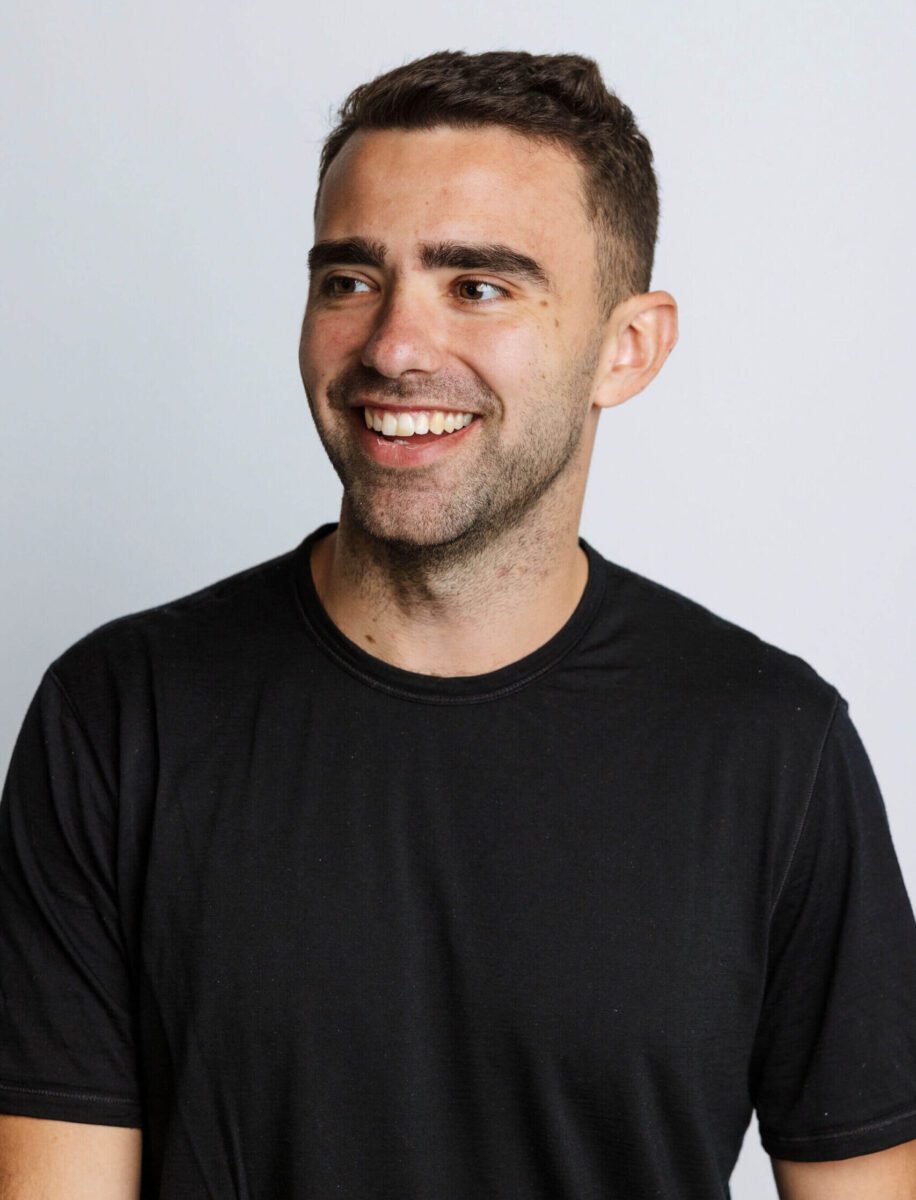
Cameron Botes is the creator of BizBud. It is an accounting and tax firm designed for entrepreneurs, digital nomads, influencers, and content creators who operate across borders. BizBud began as a solo endeavor and grew into an entire team of CPAs and advisors, serving hundreds of clients around the world.
Company: BizBud
We are thrilled to have you join us today, welcome to ValiantCEO Magazine’s exclusive interview! Let’s start off with a little introduction. Tell our readers a bit about yourself and your company
Cameron Botes: I am Cameron Botes, a Tax Advisor at BizBud LLC. We specialize in accounting, bookkeeping, and tax strategy for content creators, influencers, YouTubers, photographers, TikTok creators, and digital nomads. Traditional CPAs often build their work around one country and one paycheck, but our clients earn from multiple platforms, brand deals, and countries. So we handle cross-border tax issues like FBAR, FEIE, tax treaties, and foreign-owned US LLCs, along with monthly bookkeeping and year-round tax planning.
Can you take us back to the beginning – what inspired your startup, and what were those early days like?
Cameron Botes: The inspiration for BizBud came from watching creators and digital nomads struggle with a tax system that was never built for how they earn. A YouTuber might get ad revenue from one country, sponsorship money from another, and affiliate income from a third, while a traditional CPA only knows how to handle a single-country paycheck. I kept meeting people who were overpaying, missing deductions, or risking double taxation simply because no one had explained FBAR, FEIE, or tax treaty forms in plain language. That gap between how creators actually earn and how most accountants operate is what pushed me to start BizBud.
The early days were small, manual, and very hands-on. I worked directly with the first few YouTubers and digital nomads, learning each platform’s payout rules, building bookkeeping templates from scratch, and spending late nights researching cross-border filings. There was no fancy office or large team, just a laptop, a lot of client calls, and a commitment to getting every detail right. Those first clients taught me what the niche truly needed, and their feedback shaped the services we still offer today.
What was the biggest turning point or breakthrough that helped you scale from a small operation to a growing business?
Cameron Botes: The biggest breakthrough was realizing that scaling required systems, not just more hours. In the beginning, every client felt like a custom project, which was fine for a handful of people but impossible for growth. The turning point came after we helped a YouTube influencer recover $28,000 in missed deductions and clean up unfiled returns. That case proved we could deliver real value, but it also showed me that we needed repeatable processes. So we built country-specific checklists, standardized monthly bookkeeping workflows, and created a year-round tax planning calendar instead of cramming everything into filing season.
That shift allowed us to serve more creators without sacrificing quality. We productized our cross-border tax handling into clear steps for FBAR, FEIE, treaty forms, and foreign-owned US LLCs. We also added catch-up services for clients who were behind on filings. The result was a business that could grow because the knowledge was no longer trapped in my head. It lived in documented systems that the team could follow.
How did you handle the toughest challenges during your growth phase – whether financial, operational, or personal?
Cameron Botes: The toughest challenge was operational capacity. As more clients signed on, I became the bottleneck because I was still reviewing every return, answering every question, and managing every deadline. That created long hours, slower response times, and the risk of mistakes. I handled it by admitting that I could not scale alone. We hired and trained specialized staff, documented our workflows, adopted software for bookkeeping and document collection, and set clear boundaries around what we would and would not take on. Saying no to wrong-fit clients was hard, but it protected the quality of service for the creators who truly needed our expertise.
On a personal level, I had to learn to protect my energy. Growth can trick you into thinking you must be available every hour, but that leads to burnout. I started blocking deep work time, delegating more, and trusting the team with routine matters while I focused on complex cross-border cases. That discipline made the growth phase survivable and kept the business stable.
As your company grew, how did your leadership style evolve to meet the demands of scaling?
Cameron Botes: My leadership style evolved from player to coach. In the early days, I did almost everything myself, from preparing returns to making every client call. That worked when BizBud was tiny, but as we grew, I realized my job was no longer to be the best technician in every task. It was to build a team that could deliver consistently. I started delegating more, creating training programs, and adding review layers so that quality stayed high even when I was not in every detail. I also focused on teaching the why behind our cross-border strategies, not just the what, so the team could solve new problems without waiting for me.
Today I still stay close to complex international cases and client education, but my main role is setting standards, clarifying priorities, and removing obstacles for the team. Leadership at scale means being clear about our niche, our process, and our values, then trusting people to execute. That shift was uncomfortable at first, but it was the only way to grow BizBud without losing the personal touch that made us different.
What advice would you give to entrepreneurs currently in the “garage” stage, dreaming of going global?
Cameron Botes: My one piece of advice is to master one specific niche and its tax and compliance rules before you try to go global. A garage-stage founder often wants to serve everyone everywhere, but that spreads you thin and creates avoidable risk. Pick the exact customer you understand best, whether that is YouTubers, photographers, or digital nomads, and learn every detail of how they earn, where their income comes from, and what filings they need. Build a repeatable system for that one niche first. That system becomes your foundation for global expansion because you already know how to handle cross-border issues like FBAR, FEIE, and tax treaties for a defined group.
Once that niche is profitable and your process is documented, you can add countries or customer types one at a time instead of all at once. Going global is not a single leap. It is a series of controlled steps, and the entrepreneurs who survive are the ones who understand the tax and legal consequences of each step before they take it. So before you dream about worldwide reach, get your own books clean, your entity structure correct, and your compliance calendar in place. That discipline will make you credible and scalable when the global opportunities finally arrive.