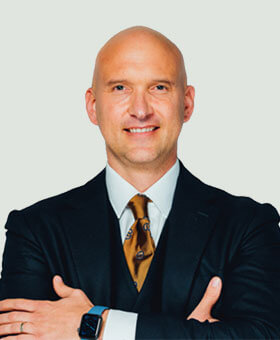

James Allsopp is the founder and CEO of iNet Ventures, a digital PR and SEO agency specializing in link building and blogger outreach.
Company: iNet Ventures
We are thrilled to have you join us today, welcome to ValiantCEO Magazine’s exclusive interview! Let’s start off with a little introduction. Tell our readers a bit about yourself and your company.
James Allsopp: James Allsopp is the founder and CEO of iNet Ventures, a digital PR and SEO agency specializing in link building and blogger outreach.
Background and Career
Founding iNet Ventures: He established the agency in 2013, accumulating over two decades of online growth, content strategy, and SEO expertise.
AI and Entrepreneurship: Beyond traditional SEO, he builds AI products and tools (such as AskZyro AI) and writes about technology, business, and modern digital trends.
Thought Leadership: His insights on digital strategy, artificial intelligence, and business planning have been featured in major publications like Forbes.
What key lessons from your first company (and exit) have most strongly shaped how you’re building your current venture?
James Allsopp: Building a valuable business isn’t about chasing growth for its own sake, I learned from my first company but about creating something that solves a real problem for customers.
From that journey, I took away the importance of building strong fundamentals early, a clear proposition, disciplined operations, a strong team, and a business model that can scale without becoming unnecessarily complex. The exit also taught me to think about what makes a company strategically valuable earlier on, not just what makes it successful now.
With my current venture, I’m much more deliberate about capital efficiency, long-term relationships, and building sustainable systems rather than relying on short-term wins. I’m also more comfortable saying no to opportunities that don’t fit the bigger strategy.
Most, the first experience taught me that entrepreneurship is a long game. The goal isn’t just to build a company that can be sold, but to build one that creates real value, has strong fundamentals, and gives you multiple good options when the time comes.
How has having capital, credibility, and a network from your previous success changed the way you approach product, hiring, and growth this time around?
James Allsopp: With capital, credibility and an established network at my disposal, I’ve got more flexibility; I’m also more disciplined about using these advantages.
Investing earlier in quality is possible for me, and I take a longer view, rather than rush for immediate revenue. My focus is solving a customer problem that delivers durable value, and building something meaningful.
Credibility helps attract strong people when hiring, but I’m selective about team members. What matters is they’re genuinely entrepreneurial, take ownership, and operate independently, credentials aren’t the main thing I look for.
On growth, I’ve had a big change of heart, it’s no longer about growing at all costs. Now, with the network opening doors and capital providing us with runway, growth should come from having a solid product, delivering great customer outcomes, and having a strong economic model that sort of works repeatedly.
My biggest advantage now is perspective, gained from the first journey. What can go wrong is clear to me, and so are the shortcuts that aren’t worth it. I’ve also got the confidence to build patiently, even while moving quickly.
In what ways is your second-chapter company more ambitious than your first, and what enabled you to aim higher this time?
James Allsopp: My second-chapter company is more ambitious not necessarily because it’s bigger, but because the scope of what we’re trying to achieve is broader. In my first business, I focused on finding a market opportunity, building a company that would last, and creating customer value. This time, I’m thinking much more about long-term impact, scale, and building a platform that can continue creating value for many years.
That ambition is enabled by experience, resources, and confidence from my first journey. Having built and exited a company, I understand how businesses scale, what the pitfalls are, and which opportunities to pursue. This perspective gives me the conviction and patience to make decisions.
Access to capital, a strong network, and credibility help, but the biggest difference is my mindset. In my first venture, I focused on proving I could build a successful company. Today, I’m focused on building something that can have a much larger and more lasting impact. This shift lets me think bigger, invest long-term, and pursue opportunities I might have thought were too ambitious earlier.
What unexpected challenges have you faced as a second-time founder that you didn’t anticipate after your exit?
James Allsopp: Realizing that success can create its own challenges. With more confidence, capital, and experience, you come into the second venture but that can sometimes make it harder to question your own assumptions.
I was comfortable learning from scratch the first time around. The second time, there’s an expectation, both from yourself and others, that you should already know the answers. I’ve had to remind myself every market, product, and team is different, and the lessons from the first company are useful frameworks, not guarantees.
Rebuilding the same level of urgency is another unexpected challenge. After an exit, you’ve more options; creating that early-stage intensity becomes a conscious choice. I’ve learned ambition doesn’t have to come from financial pressure, it can come from wanting to build something meaningful.
Humility is perhaps the biggest lesson. Experience pretty helps you move faster; staying curious helps you avoid becoming overconfident. The second chapter requires using what you’ve learned, not getting trapped by what worked before.
For other founders who have just had a successful exit and are considering their next company, what’s the most important advice you’d give them about building again?
James Allsopp: Don’t rush back into building just because you can, that’s my biggest advice.
What comes next is a rare opportunity to be intentional, and that’s worth taking time to think about. What genuinely motivates you, beyond the financial outcome? And don’t just think about the money, your next company should be something that excites you, exit or not.
Your advantages, such as capital, credibility, relationships, and experience, can be used, but don’t become complacent. A second company still has to earn its customers and attract great people, it also needs to prove its product.
I’d encourage founders to avoid simply recreating what worked the first time. Your previous success provides a foundation, but it’s not a formula that can be applied every time. The market is likely to have changed, you’ve probably changed too, and the new opportunity may demand an entirely different strategy.
Build something because you see an opportunity worth pursuing, that’s what matters. Combining the humility of a first-time founder with the perspective of someone who’s been around the block can make your second outing much more rewarding. It’s not about getting another win under your belt.